
Types of formal dresses for ladies: 2026 style guide

Types of formal dresses for ladies: 2026 style guide
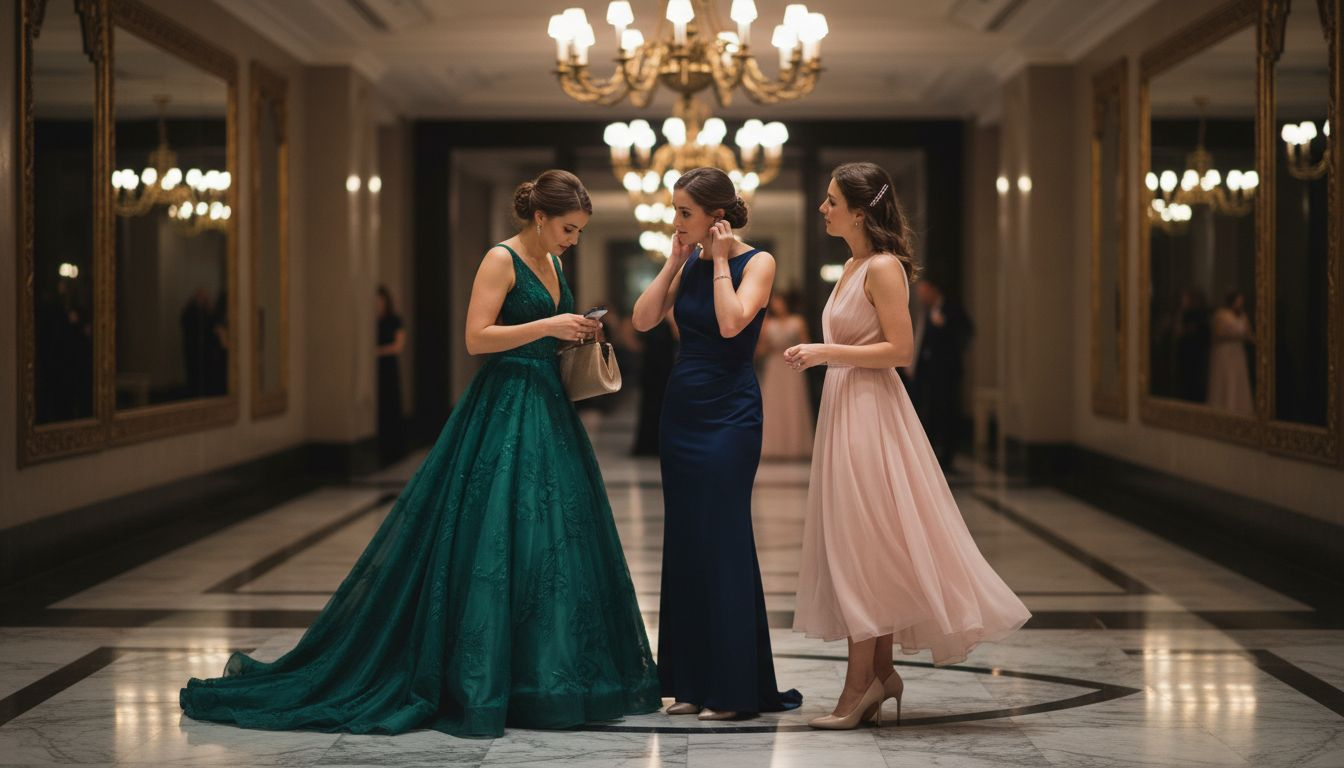
Not every formal dress needs to sweep the floor. In 2026, midi and cocktail-length dresses stand proudly alongside traditional gowns at proms, weddings, and galas. This guide breaks down formal dress types, explains which silhouettes flatter your shape, and highlights the boldest 2026 trends in color and fabric. You’ll learn to choose confidently for any special occasion.
Table of Contents
- Introduction To Formal Dresses And Their Importance
- 2026 Formal Dress Trends And Fabrics
- Popular Silhouettes And Body Shape Compatibility
- Common Misconceptions About Formal Dress Selection
- Practical Shopping Tips And Timing
- Summary And Next Steps For Formal Dress Shopping
- Discover Your Perfect Formal Dress At Dress Me Up NY
- FAQ
Key takeaways
| Point | Details |
|---|---|
| Silhouette variety | Ball gowns, A-line, sheath, and column dresses each flatter different body shapes and suit specific event formality levels. |
| 2026 trends | Bold colors like emerald and sapphire, mixed textures such as velvet and chiffon, plus innovative cape and asymmetric designs dominate. |
| Length flexibility | Floor-length, midi, and cocktail dresses all qualify as formal in 2026 depending on event context and styling. |
| Shopping timing | Start 3-6 months early to secure your preferred style and allow time for alterations and fitting. |
| Common myths | Bright colors can work at weddings, and not all formal events require floor-length gowns. |
Introduction to formal dresses and their importance
Formal dresses are elegant, occasion-specific garments crafted for events requiring elevated dress codes. These include proms, weddings, galas, and black-tie functions. Understanding the different formal dress categories 2026 empowers you to select attire that matches event expectations while showcasing your personal style.
Your dress choice impacts more than aesthetics. It influences your confidence, comfort, and appropriateness at high-stakes social moments. Formal dresses differ sharply from casual sundresses or business attire in their construction, fabric quality, and design details. They feature structured bodices, luxurious materials, and often intricate embellishments.
Typical formal events fall into three categories:
- Proms: Youth-focused formal dances favoring bold colors, trendy silhouettes, and statement details
- Weddings: Guest attire ranges from semi-formal cocktail dresses to elegant floor-length gowns depending on venue and time
- Galas and black-tie events: The highest formality tier requiring sophisticated, refined designs in premium fabrics
Each event type calls for slightly different interpretations of “formal.” A prom dress might embrace playful embellishments and shorter lengths, while a gala gown typically leans toward classic elegance and floor-sweeping hems. Recognizing these nuances helps you navigate dress shopping with clarity.
The diversity within formal dresses means every body type, style preference, and budget can find appropriate options. Some dresses highlight curves through fitted bodices, while others create flow with A-line skirts. Necklines range from strapless sweetheart cuts to high-neck halters, each offering distinct aesthetic effects.
Knowing your event’s dress code serves as your north star. “Black-tie optional” differs from “cocktail attire,” which differs from “formal.” When in doubt, ask the host or research venue norms to avoid underdressing or overdressing.
2026 formal dress trends and fabrics
This year’s formalwear embraces bold colors, softer textures, contemporary cuts, and classic details that empower women to feel elegant and confident. Rich jewel tones like emerald, sapphire, and ruby dominate runways alongside soft pastels such as blush pink and lavender. These colors work across seasons and skin tones, offering versatility for various event types.
Fabric selection dramatically affects how a dress moves, photographs, and feels throughout an event. Popular choices include:
- Satin: Delivers luxurious shine and smooth drape, ideal for structured silhouettes and cooler weather
- Velvet: Adds rich texture and warmth, trending for fall and winter galas with jewel-tone palettes
- Chiffon: Provides lightweight flow and ethereal movement, perfect for spring and summer weddings
- Tulle: Creates volume and drama in ball gown skirts while maintaining a romantic, dreamy aesthetic
The satin, velvet, and chiffon fabrics dominating 2026 formalwear offer luxurious textures, shine, and comfort suitable for different event seasons. Designers increasingly combine multiple fabrics within single designs, pairing satin bodices with chiffon skirts or velvet accents on tulle overlays.
Innovative design elements distinguish 2026 collections from previous years. Cape sleeves add dramatic flair without restricting arm movement. Asymmetric waistlines create visual interest and modern edge. Cut-out details strategically placed at the sides or back offer subtle allure while maintaining formal elegance.
“The 2026 formal dress landscape celebrates individual expression through color, texture, and silhouette diversity while honoring timeless elegance principles.”
Sustainability influences fabric choices as eco-conscious consumers seek 2026 formalwear trends and fabrics that minimize environmental impact. Recycled polyester, organic silk, and responsibly sourced materials gain traction without compromising luxury appearance.
Styling these contemporary fabrics requires attention to accessories and undergarments. Satin shows every line, demanding seamless foundation garments. Velvet carries visual weight, pairing best with delicate jewelry. Chiffon’s transparency often necessitates strategic lining or layering.
Popular silhouettes and body shape compatibility
Silhouette selection transforms how a dress flatters your natural proportions. Understanding which shapes complement your body type eliminates guesswork and boosts confidence. The most popular formal dress silhouette for weddings and galas remains the floor-length gown with structured bodices and flowing skirts, flattering hourglass and pear-shaped figures.
Ball gowns feature fitted bodices that cinch at the waist before flaring into dramatic, voluminous skirts. This silhouette emphasizes the waistline while creating a fairy-tale effect. Ball gowns suit hourglass figures exceptionally well by highlighting curves and balancing proportions. They also work for pear-shaped bodies by drawing attention upward to the shoulders and bust.
A-line dresses narrow at the top and gradually widen toward the hem, resembling the letter A. This universally flattering silhouette skims over hips and thighs, making it ideal for pear and apple body shapes. The gentle flow conceals areas of concern while creating elegant movement. A-line styles work across formality levels, from dress styles for body types to black-tie galas.
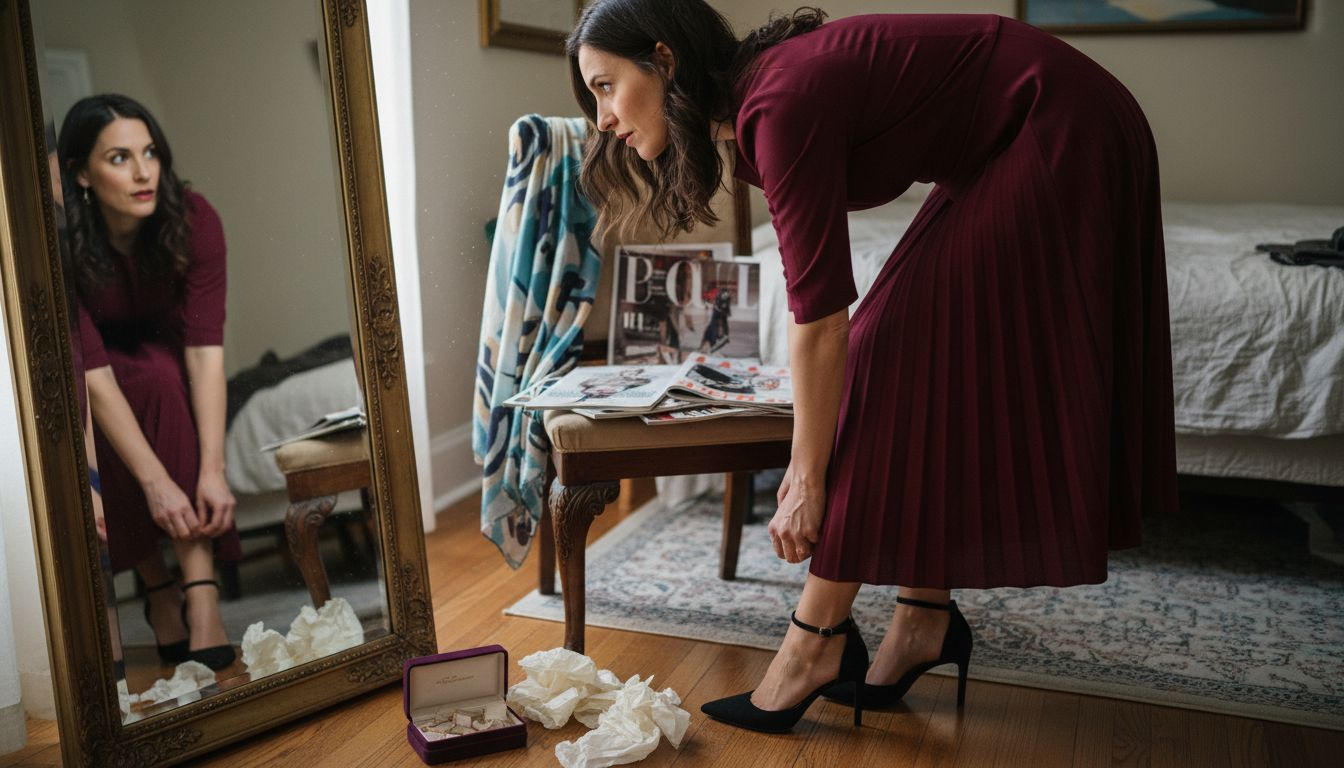
Sheath dresses follow body contours closely without clinging, creating sleek, sophisticated lines. This silhouette elongates the frame and suits slender or rectangular body types beautifully. Sheath styles require confidence as they reveal rather than conceal, but they photograph exceptionally well and allow easy movement.
Column dresses fall straight from shoulders to hem with minimal shaping, offering modern minimalism. The vertical lines create height and elegance, perfect for petite frames seeking elongation. Column silhouettes suit formal events where understated sophistication outshines dramatic volume.
| Silhouette | Best Body Shapes | Typical Length | Ideal Events |
|---|---|---|---|
| Ball Gown | Hourglass, Pear | Floor-length | Proms, Galas |
| A-line | Pear, Apple, All | Floor or Midi | Weddings, Proms |
| Sheath | Rectangle, Slim | Floor or Midi | Cocktail, Semi-formal |
| Column | Rectangle, Petite | Floor-length | Black-tie, Galas |
Structural elements like corset bodices, boning, and built-in support enhance fit and comfort. These features define the waist, provide bust support, and maintain dress shape throughout extended wear. Pear shaped body dress guide styling emphasizes bodice details and narrower skirts that balance hip width.
Pro Tip: Schedule fittings at stores or try virtual fitting tools to test silhouettes before purchasing. What looks perfect on a hanger might not flatter your unique proportions, and hands-on testing reveals comfort issues invisible in photos.
Common misconceptions about formal dress selection
Myths about formal attire create unnecessary stress and limit style possibilities. Debunking these misconceptions opens doors to confident, personalized dress choices.
Myth: All formal dresses must reach the floor. Reality shifts in 2026. Midi dresses ending mid-calf and cocktail styles hitting just above the knee qualify as formal when styled appropriately. Fabric quality, embellishment level, and overall elegance determine formality more than length alone. A well-tailored midi dress in luxurious satin with sophisticated details easily matches floor-length gowns for semi-formal weddings or cocktail galas.
Myth: Prom dresses work for any formal event. Prom styles typically feature youthful elements like bold colors, heavy embellishments, and trendy cuts that may not suit adult formal events. Wedding guest attire leans more classic and refined. Using a prom dress at a mature formal event risks appearing out of place or underdressed.
Myth: Bright colors violate wedding etiquette. While white remains off-limits, well-coordinated bold colors like red, emerald, or royal blue work beautifully at weddings. The key lies in respecting the couple’s color scheme and avoiding shades that compete with the bridal party. Ask about color preferences if unsure, but don’t assume all vibrant hues break rules.
Myth: Expensive equals appropriate. Price doesn’t guarantee event suitability. A $500 dress in the wrong silhouette or fabric disappoints just as much as a poorly chosen budget option. Focus on fit, fabric quality, and style alignment with event formality rather than price tags.
Some shoppers believe strapless dresses lack formality or that sleeves automatically increase appropriateness. Neither holds true universally. Strapless gowns in luxurious fabrics with elegant lines suit black-tie events perfectly. Conversely, a sleeved dress in casual fabric remains informal regardless of coverage.
Pro Tip: When uncertain about dress code interpretation, research the venue and similar past events through social media or ask the host directly. Guessing based on outdated rules causes more problems than seeking clarification.
Practical shopping tips and timing
Strategic planning transforms dress shopping from overwhelming to enjoyable. Follow these actionable steps to secure your perfect formal dress.
-
Start early: Begin browsing 3 to 6 months before your event. This timeline accommodates selection, shipping, alterations, and unexpected delays. Popular styles sell out quickly during prom and wedding seasons.
-
Define event specifics: Note the dress code, venue type, season, and time of day. Indoor evening galas permit heavier fabrics like velvet, while outdoor summer weddings call for lightweight chiffon or silk.
-
Measure accurately: Take bust, waist, hip, and length measurements using a fabric tape measure. Compare your numbers against size charts rather than assuming your usual size. Formal dresses often run smaller than casual clothing.
-
Set a realistic budget: Quality formal dresses range from $100 to $500+. Affordable formal dress shopping 2026 options exist at every price point, but factor in alteration costs of $50 to $150.
-
Research reputable sellers: Shop at established online retailers and formal wear boutique shopping tips locations known for quality and customer service. Read reviews about sizing accuracy, fabric quality, and return policies.
-
Plan for alterations: Even perfectly sized dresses often need minor adjustments. Hem length, bust fit, and strap positioning typically require tailoring. Find a qualified seamstress well before your event date.
-
Consider comfort factors: You’ll wear this dress for hours. Test sitting, walking, and arm movement during fittings. Check that undergarments work with the neckline and back style. Ensure shoe height matches your hemmed length.
-
Coordinate accessories last: Select your dress first, then choose jewelry, shoes, and bags that complement rather than compete. Your dress sets the tone for all other styling decisions.
Pro Tip: Create a checklist noting event formality level, your body shape priorities, color preferences, and must-have features. Refer to this list when browsing to maintain focus and avoid impulse purchases that don’t meet your actual needs.
Online shopping offers convenience and selection but requires careful attention to return policies. Order multiple sizes if between measurements, keep tags attached until certain, and photograph yourself in natural lighting to assess fit accurately.
Summary and next steps for formal dress shopping
You now understand the key formal dress silhouettes and how they flatter different body shapes. Ball gowns, A-line, sheath, and column dresses each serve specific aesthetic and comfort purposes across event types.
The 2026 trends shaping formal fashion include bold jewel tones, mixed luxurious textures, and innovative design details like cape sleeves and asymmetric cuts. These contemporary elements blend with timeless elegance principles, offering fresh options while respecting formal occasion standards.
Applying body shape knowledge eliminates guesswork. A-line styles suit pear shapes, sheath dresses flatter slender frames, and ball gowns celebrate hourglass figures. Strategic silhouette selection boosts confidence and ensures you look your best throughout your event.
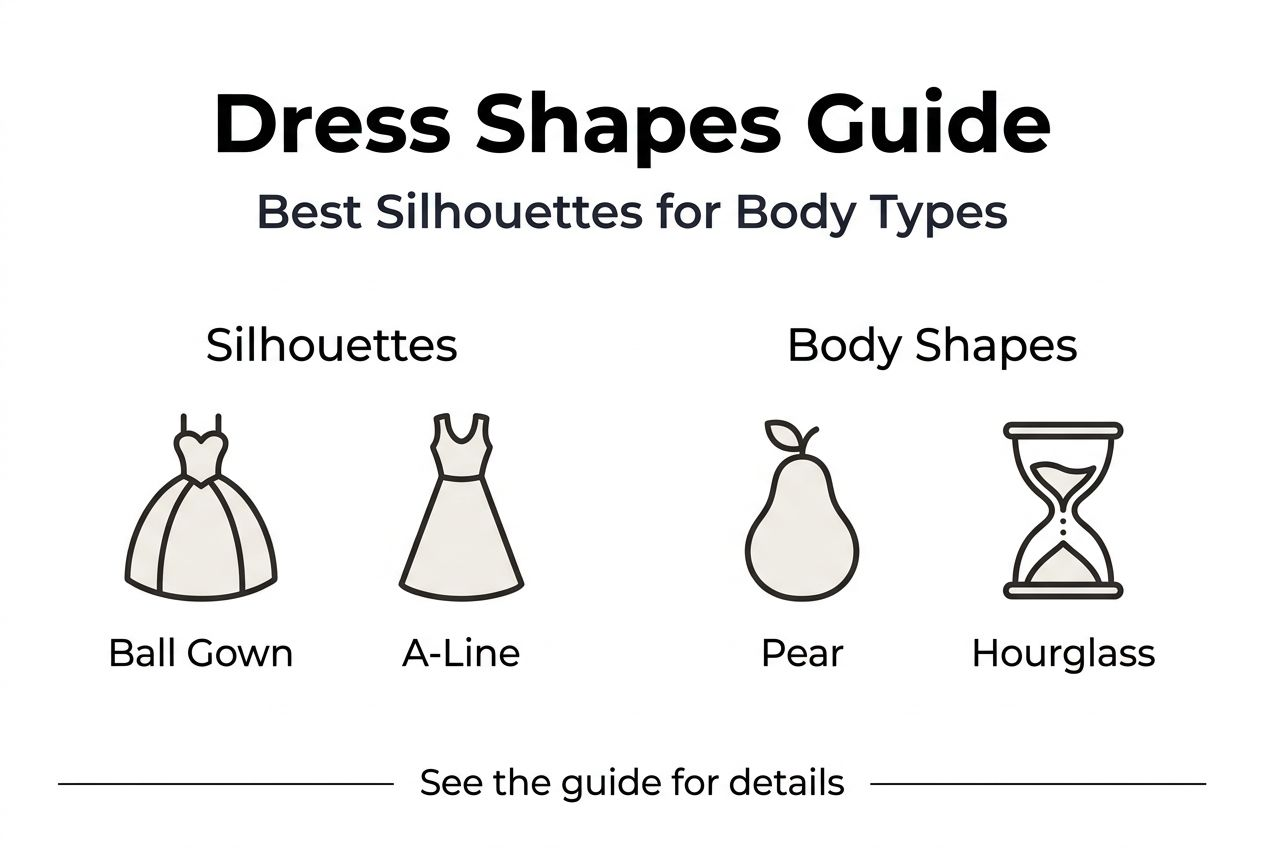
Debunking common myths about dress length, color rules, and formality requirements expands your options. Midi and cocktail-length dresses qualify as formal when styled appropriately, and bright colors work at weddings with thoughtful coordination.
Early planning remains your strongest advantage. Starting your search 3 to 6 months ahead provides time for selection, alterations, and addressing any sizing or quality concerns. Use the practical shopping tips to streamline decisions and focus on dresses that truly meet your needs.
Your next step involves applying this structured approach to find your perfect formal dress. Consider your upcoming event’s specific requirements, identify your body shape priorities, and explore styles that align with 2026 trends while honoring your personal aesthetic.
Discover your perfect formal dress at Dress Me Up NY
Ready to translate knowledge into action? Dress Me Up NY curates formal dresses featuring the latest 2026 trends in colors, fabrics, and silhouettes. Browse collections designed for proms, weddings, and galas with options spanning ball gowns to elegant midi styles.
The site’s dress styles for body types guide helps you identify silhouettes that flatter your unique shape, while the formal event attire 2026 trends collection showcases contemporary designs under $150. Expert styling advice and detailed size charts take the guesswork out of online shopping. Explore fashionable options at various price points with convenient home delivery. Start your journey to finding a dress that enhances your confidence and makes your special occasion unforgettable.
FAQ
What length of formal dress is appropriate for proms in 2026?
Midi and cocktail-length formal dresses are now widely accepted and stylish for proms in 2026 alongside traditional floor-length gowns. Choose your length based on personal comfort, dance mobility, and style preference. Floor-length remains classic for very formal proms, while shorter styles offer modern flair and easier movement.
How can I select a formal dress that flatters my body shape?
Identify your body shape first by measuring bust, waist, and hip proportions. Pear shapes benefit from A-line silhouettes that skim hips, while rectangular figures look stunning in column dresses that create sleek lines. Reference detailed dress styles for body types guide resources to match silhouettes with your specific proportions.
Are bright colors acceptable for wedding guest formal dresses?
Bright colors like red, emerald, and sapphire work beautifully at weddings when coordinated thoughtfully. Always avoid white and cream unless explicitly invited by the couple. Consider the wedding’s overall color scheme and formality level. Rich jewel tones photograph well and show respect while allowing personal style expression.
When is the best time to buy a formal dress for a special occasion?
Start shopping 3 to 6 months before your event to secure preferred styles and allow alteration time. Peak prom and wedding seasons see faster inventory turnover, making early purchases strategic. This timeline reduces stress and provides flexibility for size exchanges or customization. Explore affordable formal dress shopping 2026 options early for best selection.
Recommended
- Types of elegant dresses: find your perfect 2026 style - DressMeUpNY
- Formal Evening Wear for Ladies: Style Rules That Matter - DressMeUpNY
- Formal event attire 2026: 50% find trendy dresses under $150 - DressMeUpNY
- Types of Formal Dresses for Women: Style Choices That Impress - DressMeUpNY
- Download gratis narrowcasting template | Internationale vrouwendag - DPM Signage | Narrowcasting & Digital Signage
- Astrología en 2026: guía completa para mujeres jóvenes | Lunaris