
4 Checks to Spot Authentic Vintage Ball Gowns Before You Buy
4 Checks to Spot Authentic Vintage Ball Gowns Before You Buy
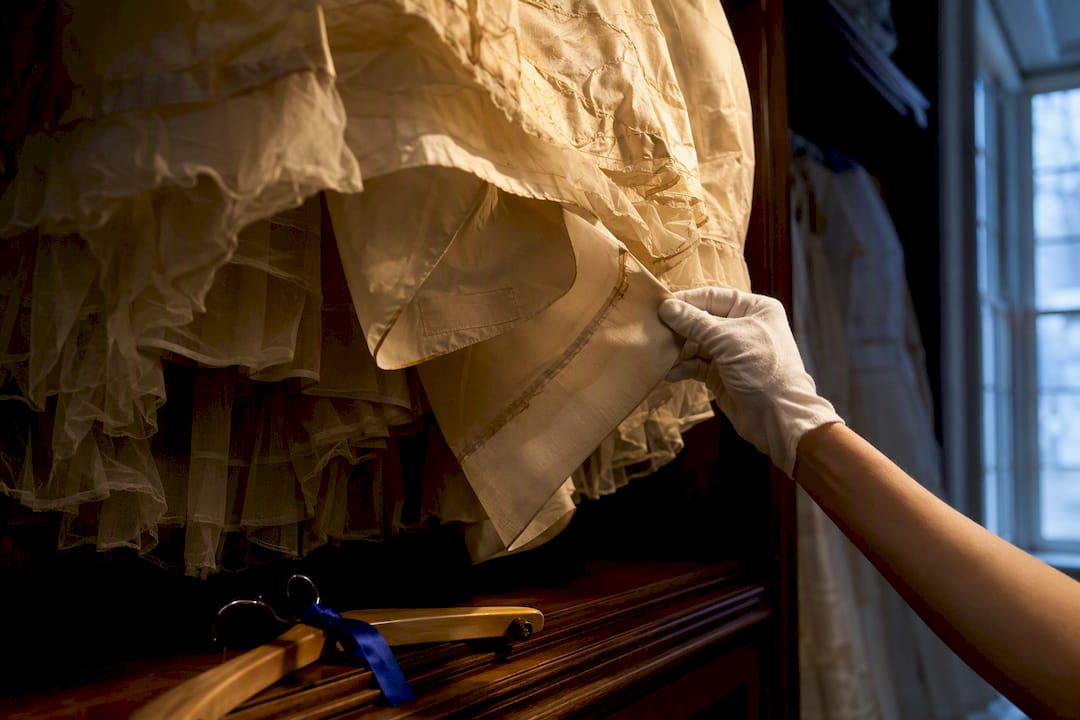
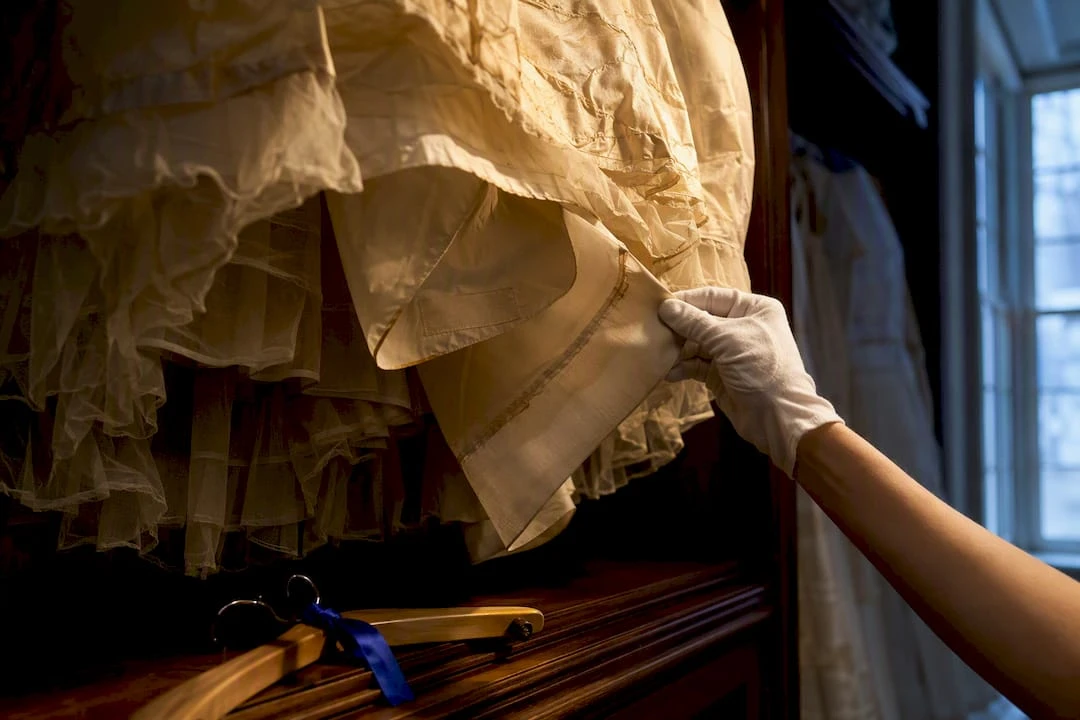
Vintage ball gown dresses are full-skirted formal gowns, either genuine period pieces from decades past or modern reproductions styled after them, and the difference matters more than most shoppers realize. This guide shows you how to tell the two apart, measure a gown correctly, judge condition and price fairly, and keep a fragile piece wearable for years. By the end, you’ll know exactly what to check before you click “buy.”
TL;DR:
- Authentic vintage gowns typically feature period-appropriate hardware such as nylon coil or metal zippers, hand-finished seams, and signs of age like faint yellowing or patina.
- Modern reproduction gowns often have synthetic fabrics like polyester, machine-stitched details, and tags from contemporary brands, making identification straightforward if inspected carefully.
- Proper measurement involves laying the gown flat and measuring bust, waist, shoulder width, and front length, since vintage size labels are unreliable and do not match modern sizing standards.
- Gown condition directly impacts price, with mint condition pieces commanding higher prices, while those needing repairs or showing significant wear are priced significantly lower.
- Buying from curated shops or vintage specialists reduces risks, but if you prefer modern sizing and easier care, vintage-inspired gowns offer a reliable, lower-maintenance alternative.
Table of Contents
- What Are the Classic Vintage Ball Gown Styles and Eras?
- How to Tell Authentic Vintage From Vintage-Style Reproductions
- Materials and Construction That Signal Real Vintage Craftsmanship
- Sizing and Measuring a Vintage Gown Correctly
- Judging Condition and Setting Fair Price Expectations
- Where to Buy Authentic and Vintage-Style Ball Gowns
- Caring for and Storing a Vintage Ball Gown
- Why Vintage Ball Gowns Still Matter Culturally
- Identifying and Appraising Designer Labels on Vintage Gowns
- Dressmeup’s Take: Authentic Vintage or a Modern Reproduction?
- Shop Curated Vintage-Style Ball Gowns at Dressmeupny
- Sources
- FAQ
What Are the Classic Vintage Ball Gown Styles and Eras?
Most vintage ball gowns you’ll find fall into a few recognizable silhouettes, and knowing them helps you shop with a clear picture in mind instead of scrolling endlessly.
- 1950s tea and ball skirts: Nipped waists with dramatic, often knee-to-floor length skirts built on layers of tulle or net petticoats.
- 1960s variations: Slightly slimmer bodices, sometimes with cap sleeves or boat necklines, paired with fuller skirts than the decade’s daytime fashion suggested.
- Victorian-inspired revival pieces: Higher necklines, lace overlays, and structured bodices that echo 19th-century formalwear without the corseting.
Necklines and sleeves tend to signal the occasion. Sweetheart necklines and cap sleeves read as classic prom or cocktail formal, while long sleeves and higher collars lean toward wedding or gala use. Heavier fabrics and multiple skirt layers push a gown toward black-tie formality, while lighter tulle and simpler construction suit a prom or a garden-style event. If you want more silhouette pairings mapped to specific events, our guide to vintage formal dress styles breaks down which cut fits which occasion.
How to Tell Authentic Vintage From Vintage-Style Reproductions
Photos can be deceiving, but a handful of physical checks separate a genuine period piece from a well-made copy almost every time.
- Inspect the closures. Nylon coil zippers, metal Talon zips, and covered buttons are hallmarks collectors and sellers use to date a garment, since they were standard for their eras and rarely appear on new production.
- Look for hand-finishing. Authentic pieces usually show hand-sewn hems, facings, or bodice linings, with slightly irregular stitch spacing rather than the uniform precision of a machine run.
- Check for honest wear. Faint yellowing, a soft patina on trims, or slightly worn seam allowances suggest genuine age. Factory-new crispness across every seam is a red flag on something marketed as decades old.
- Read the label. Modern care tags, contemporary size stickers, or brand names tied to current fast-fashion lines mean you’re looking at a reproduction, whatever the listing title claims.
Pro Tip: Ask the seller for a close-up photo of the zipper pull and the inside seam allowance before you buy. Those two spots are the hardest details to fake and the easiest to verify.
Materials and Construction That Signal Real Vintage Craftsmanship
Fabric choice tells you almost as much as hardware does. Silk taffeta has a crisp rustle and a subtle sheen that photographs with soft highlights, while tulle reads as airy and slightly matte in bulk. Lace overlays should show visible thread density variation up close, and acetate linings often feel cooler and slicker than modern polyester.
- Layered construction: Genuine mid-century ball gowns often hide two, three, or four layers of tulle or net beneath the outer skirt to create volume without excess weight, a detail visible in this 1960s bridal ball gown listing, which shows the coil zipper and layered tulle typical of the era.
- Structural boning: Internal boning in the bodice, rather than a simple lining, points to serious period construction meant to hold shape without a separate corset.
- Trims and repairs: Sequins, beading, and metallic lace trims can oxidize or fray with age. These typically require a specialist rather than home cleaning.
Sizing and Measuring a Vintage Gown Correctly
Vintage size labels are notoriously unreliable. A “size 10” tag from the 1950s often measures closer to a modern size 4 or 6, since sizing standards have shifted substantially over the decades. Skip the tag entirely and measure the actual garment.
- Bust: Lay the gown flat, measure armpit to armpit across the fullest point, then double it.
- Waist: Measure straight across the narrowest point of the waistline, then double.
- Shoulder width: Measure seam to seam across the back of the bodice.
- Front length: Measure from the shoulder seam straight down to the hem.
Compare each number to your own body measurements, not to your usual dress size, and build in an inch or two of ease for comfortable movement. Expect that most vintage finds need at least minor alterations, such as taking in side seams or adjusting hem length, so budget for a tailor familiar with delicate, aged fabric. If you’re shopping for a teen who’s still growing into her adult measurements, our guide to choosing ball gowns for teens covers fit adjustments worth knowing before you commit to a purchase.
Judging Condition and Setting Fair Price Expectations
Condition drives price more than era or brand in most vintage gown listings. Common issues include yellowing along seams, fragile or split hems, missing or degraded linings, oxidized metallic trims, and small tears or stains that weren’t visible in a thumbnail photo.
- Mint condition: Minimal wear, original lining intact, no odor or staining. Expect to pay a premium.
- Good condition: Wearable with minor flaws like light yellowing or a loose hem. Fairly priced and often the sweet spot for buyers.
- Restoration needed: Missing boning, torn seams, or heavy staining. Only worth it if the price reflects real repair costs.
Before you buy, ask the seller about cleaning history, any repairs already completed, and whether extra close-up photos of seams and closures are available. Listings that include flat measurements and honest condition notes, like this 1950s tulle and lace ball gown description, set the standard for what a trustworthy listing should offer.
Pro Tip: If a seller won’t send additional photos on request, treat that as a warning sign rather than an inconvenience. Transparent sellers rarely hesitate.
Where to Buy Authentic and Vintage-Style Ball Gowns
Your sourcing choice shapes how much authentication legwork falls on you.
- Specialist vintage boutiques and curated ecommerce shops tend to vet pieces before listing them and provide condition notes upfront, which is worth the often higher price tag for peace of mind.
- Resale marketplaces and auction sites offer far more selection, but authentication and condition disclosure vary wildly from seller to seller, so the checks covered above matter most here.
- Curated shops like Shop Thrilling’s ball gown listings show how detailed fabric and fit notes should look when a seller takes transparency seriously.
If you’re buying internationally, factor in shipping costs, customs duties, and insurance before you commit, since a damaged or lost vintage piece is often irreplaceable. Confirm the seller’s return policy in writing, especially for one-of-a-kind items where a size or condition mismatch can’t simply be exchanged for another unit.
Caring for and Storing a Vintage Ball Gown
Before the first wear, inspect every seam and handle the gown by its structural points, like the waistband or shoulder seams, rather than pulling on delicate lace or trim. Test any spot cleaning on a hidden interior seam first, since aged fabric reacts unpredictably to modern cleaning products.
- Store the gown flat or on a padded, wide hanger, never a thin wire one that stresses the shoulder seams.
- Use acid-free tissue paper and an acid-free storage box rather than a plastic garment bag, which traps moisture and accelerates yellowing.
- Keep the gown in a cool, dry space away from direct sunlight and temperature swings.
Pro Tip: When a stain, tear, or heavy discoloration goes beyond a light hand wash, hand the gown to a textile conservator experienced with period fabrics rather than a standard dry cleaner. For a longer walkthrough of preservation basics, our formal dress storage guide covers the same principles for modern formalwear too.
Why Vintage Ball Gowns Still Matter Culturally
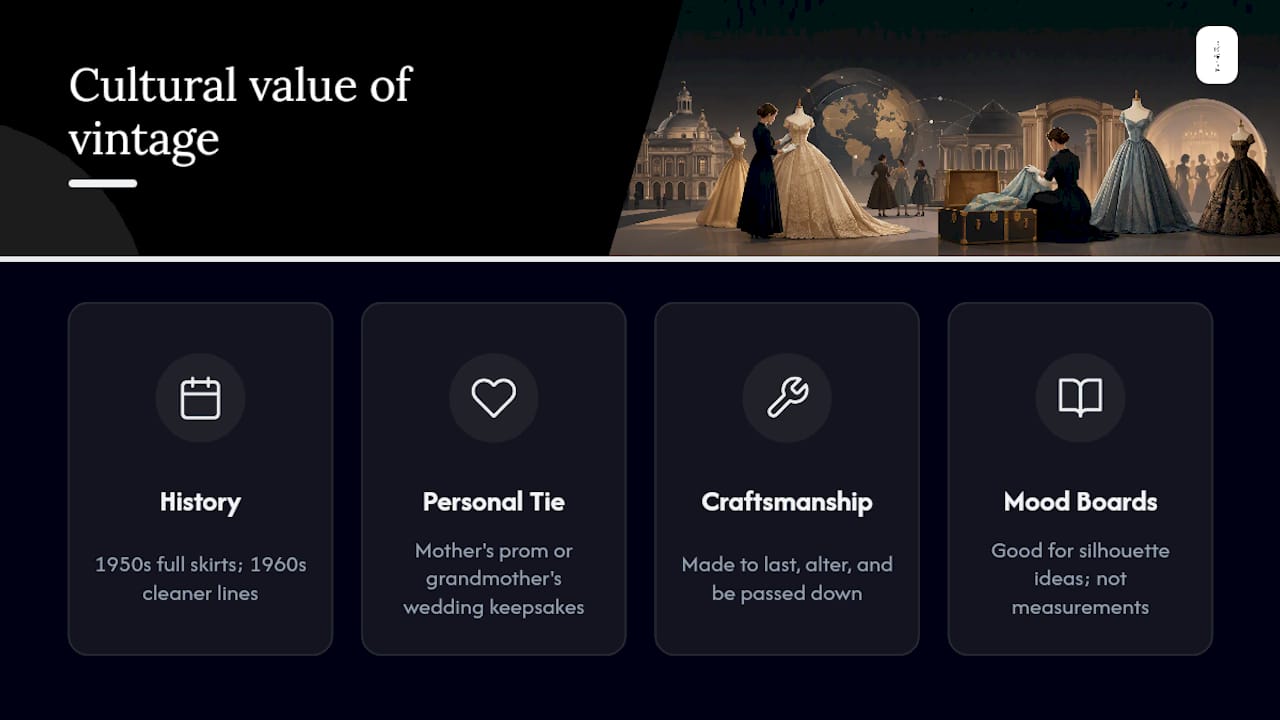
A vintage ball gown isn’t just a dress. It’s a physical record of how women dressed for the biggest nights of their lives across decades of changing taste. The 1950s full-skirted silhouette emerged directly from postwar optimism and a cultural embrace of femininity after years of wartime fabric rationing, when full skirts signaled abundance in a way that resonated deeply with that generation. By the 1960s, ball gowns started absorbing cleaner lines and youth-driven fashion, reflecting a broader cultural shift toward simplicity even within formalwear.
These gowns also carry personal history in a way mass-produced formalwear rarely does. A mother’s prom dress or a grandmother’s wedding gown becomes a tangible connection between generations, and that emotional weight is part of why authentic vintage pieces command such devoted followings among collectors and everyday shoppers alike.
There’s a practical cultural angle too: vintage gowns represent an era before fast fashion, when garments were built to be worn for years, altered, and passed down rather than discarded after one event. Choosing a vintage piece, or a well-made reproduction inspired by one, connects a modern prom or wedding to that older standard of craftsmanship. If you’re building a mood board before you shop, curated galleries like Pinterest’s vintage-style ball gown collections are genuinely useful for silhouette research, though they won’t give you measurements or condition details. Save those boards for style inspiration, then rely on the practical checks in this guide once you find a listing that catches your eye.
Identifying and Appraising Designer Labels on Vintage Gowns
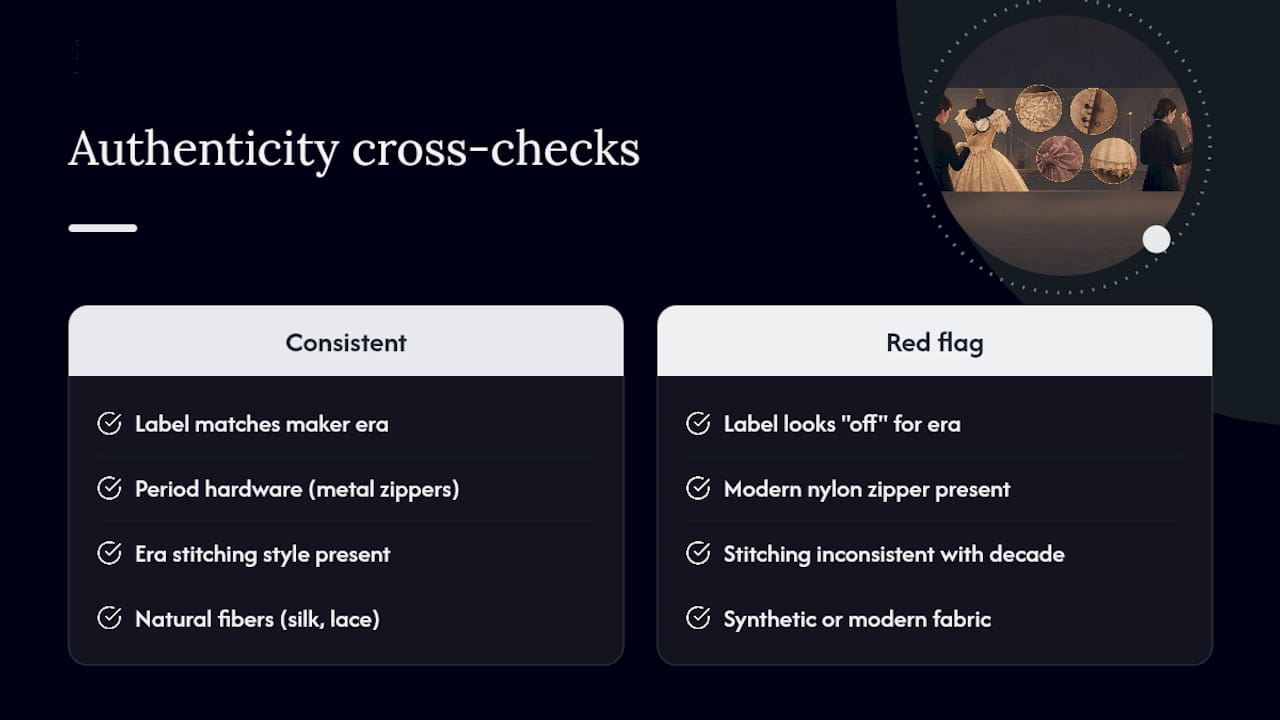
A designer label can significantly change a vintage ball gown’s value, but only if you can verify it’s genuine and correctly dated. Start with the label itself: font style, placement, and material all shifted over the decades, and a label that looks slightly “off” compared to documented examples from the same maker and era is worth questioning before you pay a premium price.
Cross-reference construction details against the label’s claimed era. A gown tagged as originating from a specific decade should show hardware, stitching style, and fabric consistent with that period. A 1950s label paired with a modern nylon zipper, for instance, is a mismatch worth asking the seller about directly.
Provenance helps too. Sellers who can share where a piece came from, such as an estate sale, a known collection, or a documented family history, add credibility that a bare listing can’t. When no maker’s label survives, focus your appraisal on construction quality instead: hand-finished seams, quality boning, and natural fiber fabrics like silk taffeta or fine lace all point toward a well-made piece regardless of whether you can name the designer.
Keep your expectations grounded. Not every beautiful vintage ball gown carries a recognizable label, and an unlabeled gown with exceptional construction can still be a worthwhile find. Value comes from the combination of authenticity, condition, and craftsmanship, not from a name alone.
Dressmeup’s Take: Authentic Vintage or a Modern Reproduction?
Authentic vintage rewards buyers willing to measure carefully, budget for alterations, and handle a fragile piece with real care. If your event is once-in-a-lifetime and you’re prepared for that commitment, it’s worth the extra effort. If you want reliable modern sizing, easier returns, and less preservation worry, a vintage-style reproduction from curated retailers is often the smarter, less stressful choice.
— Dressmeup
Shop Curated Vintage-Style Ball Gowns at Dressmeupny
There are curated collections available that offer an alternative to hunting through resale listings and hoping a decades-old gown fits without alterations. When authentic vintage is your priority, the checks in this guide will serve you well. But if you’d rather skip the measuring guesswork and repair budgeting, our curated collection of vintage-inspired ball gowns comes in modern, consistent sizing, backed by real customer support and a straightforward return path if something doesn’t fit right.
Teams at some retailers can help you find silhouettes that match the eras covered in this guide, such as 1950s-style full skirts or Victorian-inspired lace bodices for formal galas. Browse vintage-inspired gowns styled for proms and weddings to see current picks, or head straight to Dressmeupny to start shopping and check sizing details before your event date creeps up on you.
Sources
- Vintage 1960s Bridal Ivory Ball Gown – Von Mode Vintage
- Vintage 1950s Tulle Lace Ballgown Wedding Dress - Deidra — Miranda’s Vintage Bridal
FAQ
How Do I Know if a Ball Gown Is Truly Vintage?
Check for period-correct hardware like nylon coil or metal Talon zippers, hand-sewn finishes, and honest signs of age such as faint yellowing, rather than uniform factory-new stitching.
What’s the Best Way to Measure a Vintage Gown for Fit?
Lay the gown flat and measure bust, waist, shoulder width, and front length directly on the fabric, since vintage size tags rarely match modern sizing standards.
How Much Should I Expect to Pay for an Authentic Vintage Ball Gown?
Price depends heavily on condition: mint pieces command a premium, good-condition pieces with minor flaws sit in a fair middle range, and anything needing major restoration should be priced accordingly lower.
Is a Vintage-Style Reproduction a Good Alternative to a Real Vintage Gown?
Yes, especially if you want reliable modern sizing and easier returns. Retailers like Dressmeupny offer vintage-inspired ball gowns designed for consistent fit without the alteration and preservation demands of an authentic piece.
How Should I Store a Vintage Ball Gown Between Wears?
Use acid-free tissue and a storage box, keep the gown flat or on a padded hanger, and avoid plastic garment bags, which trap moisture and speed up yellowing and fabric breakdown.
Recommended
- Vintage Formal Dress Styles for Every Special Occasion
- Find Your Dream Ball Gown: Types, Trends & Smart Shopping
- Explore the Most Stunning Types of Ball Gown Dresses
- How to spot designer dresses: expert guide for 2026