
Vintage Formal Dress Styles for Every Special Occasion
Vintage Formal Dress Styles for Every Special Occasion
TL;DR:
- Vintage formal dress styles showcase era-specific silhouettes, fabrics, and craftsmanship that modern designs rarely replicate. From 1930s bias-cut gowns to 1950s fit-and-flare dresses, authentic pieces emphasize structured construction and premium fabrics that offer timeless elegance. Proper styling, fit, and care ensure these vintage pieces remain stunning choices for contemporary special events.
Vintage formal dress styles are iconic representations of elegance defined by distinctive era-specific silhouettes, authentic construction details, and fabrics that modern fashion rarely replicates. From the fluid bias-cut gowns of the 1930s to the structured fit-and-flare cocktail dresses of the 1950s, these styles have shaped how women dress for proms, weddings, and milestone celebrations. Designers like Philip Hulitar built couture reputations on the very details that make these pieces so covetable today. Whether you are searching for true vintage pieces or vintage-inspired attire for a modern event, understanding the defining characteristics of each era gives you a genuine advantage when shopping.
1. Vintage formal dress styles: 1930s bias-cut evening gowns
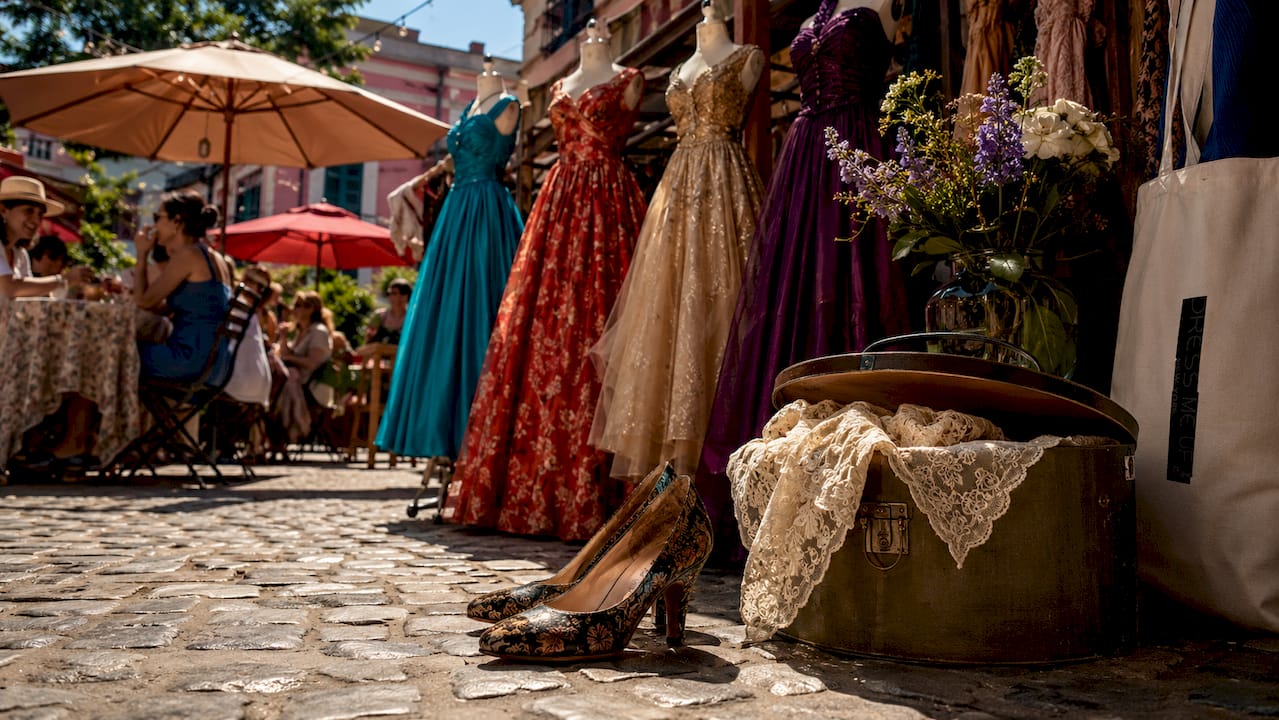
The 1930s bias-cut gown is the original red-carpet silhouette, cut diagonally across the grain of the fabric so it skims and drapes the natural body rather than imposing structure on it. Authentic pieces from this era were crafted from bias-cut rayon satin and silk organza with internal boning and hand-set metal zippers, details that modern reproductions rarely match. The result is a fluid, almost liquid silhouette that photographs beautifully and moves with the wearer. For proms or black-tie weddings, this style reads as effortlessly sophisticated rather than costume-like.
2. 1950s fit-and-flare cocktail dresses
The 1950s fit-and-flare is the most recognizable of all retro evening gowns, and for good reason. Structured fabrics like Mikado and high-lustre satin hold the silhouette without requiring excessive crinoline underneath, making these dresses far more wearable than their reputation suggests. Midi lengths around 46.5 inches, princess seams, shawl collars, and beadwork are the defining details. This silhouette flatters a wide range of body types because the fitted bodice creates waist definition while the flared skirt adds volume below.
Pro Tip: When shopping for 1950s-inspired pieces, check the fabric’s stretch factor before buying. Low-stretch structured fabrics like Mikado hold iconic silhouettes far better than stretch satin blends, which lose their shape after a few hours of wear.
3. 1940s structured satin and lace gowns
The 1940s produced some of the most architecturally impressive old-fashioned formal wear ever made. Wartime fabric restrictions paradoxically pushed designers toward cleaner lines and precise tailoring, resulting in gowns with structured bodices, minimal embellishment, and exceptional fit. Lace overlays on satin bases were a signature combination, adding texture without excess. For wedding guests or formal dinners, a 1940s-inspired gown signals polish and restraint in the best possible way.
4. 1950s Philip Hulitar couture strapless gowns
Philip Hulitar was one of the most technically accomplished American couturiers of the postwar era, and his strapless gowns represent the pinnacle of 1950s craftsmanship. His pieces feature hand-gathered silk panels and silk organza linings that give the garment structure from within rather than relying on boning alone. Champagne and ivory colorways remain his most sought-after. If you find an authentic Hulitar piece, the construction quality alone justifies the investment for a once-in-a-lifetime event like a wedding or gala.
5. Early 1960s sleek shift dresses
Fashion expert Morgana Martin notes that vintage 1950s and 60s dresses evolved from sheer layered fabrics to sleeker silhouettes as the decades progressed. The early 1960s shift dress is the clearest expression of that evolution. Gone are the full skirts and petticoats. In their place: a straight, column-like silhouette in solid colors or subtle prints, often with three-quarter sleeves and a modest neckline. This style works exceptionally well for spring weddings and garden parties where a full ball gown would feel overdressed.
6. 1960s dropped-waist formal dresses
The dropped-waist silhouette of the mid-to-late 1960s is one of the most underrated timeless dress designs in vintage fashion. The waistline sits at the hip rather than the natural waist, creating a long, lean line through the torso. Paired with A-line or pleated skirts, this silhouette suits taller frames particularly well. Puff sleeves and geometric embroidery were common period details that translate surprisingly well to modern formal events when styled with restraint.
7. 1950s strapless ball gowns with full skirts
The strapless ball gown is the style most people picture when they think of classic cocktail dresses and prom fashion from the 1950s. A structured boned bodice supports the strapless neckline while a voluminous skirt creates the dramatic silhouette. Authentic versions use multiple layers of tulle or organza beneath a satin outer skirt. For prom specifically, this style delivers maximum visual impact and photographs beautifully. Modern versions by designers who reference this era closely, like those available through vintage-inspired gown guides, often update the construction for better comfort without sacrificing the silhouette.
8. 1930s embroidered tulle overdress sets
The overdress and slip set was a distinctly 1930s construction that created layered visual depth without adding weight. A rose pink embroidered tulle overdress worn over a satin slip, for example, creates a shimmering, dimensional effect that no single-layer fabric can replicate. These sets are among the most delicate pieces in vintage fashion and require careful handling, but the visual result at a formal event is genuinely unmatched. Minor age-appropriate flaws like faint underarm shadows are typical and are usually hidden when worn.
How fabrics and construction define authentic vintage formalwear
The difference between a true vintage piece and a vintage-inspired reproduction almost always comes down to fabric and construction. The table below shows how key fabrics from different eras affect silhouette, fit, and care requirements.
| Fabric | Era | Silhouette effect | Care requirement |
|---|---|---|---|
| Bias-cut rayon satin | 1930s | Fluid, body-skimming drape | Dry clean only, store flat |
| Mikado silk | 1950s | Structured, holds A-line shape | Dry clean, avoid steam directly |
| High-lustre satin | 1950s | Stiff, dramatic volume | Professional cleaning recommended |
| Silk organza | 1950s to 1960s | Lightweight structure, layered depth | Hand wash cold or dry clean |
| Embroidered tulle | 1930s | Dimensional, delicate overlay | Specialist dry cleaning only |
High-lustre structured fabrics hold silhouettes without excessive crinoline, while bias-cut silks skim natural body lines. This distinction matters practically: if you are buying a dress for a long event like a prom or wedding reception, a Mikado or heavy satin gown will maintain its shape through hours of dancing and sitting, while a bias-cut silk requires more careful movement.
Pro Tip: Ask sellers for the fabric content label or request close-up photos of seam finishes. Hand-finished seams and metal zippers are reliable indicators of authentic vintage construction rather than a modern reproduction.
How to style vintage formal dresses for modern occasions
Styling vintage or vintage-inspired attire for a contemporary event requires one core principle: let the dress lead. The silhouette and fabric are already doing significant visual work, so accessories should support rather than compete.
Here is a practical styling framework:
- Choose minimal jewelry. Styling professionals recommend balancing bold retro formalwear with minimal jewelry and classic heels. A single strand of pearls or small gold earrings works better than layered statement pieces.
- Match shoe height to silhouette. Full-skirted 1950s gowns pair best with a pointed-toe kitten heel or a classic pump. Bias-cut 1930s gowns look best with a strappy low heel that does not interrupt the vertical line.
- Keep hair period-appropriate but wearable. Soft waves, a low chignon, or a French twist all complement vintage silhouettes without requiring a full period costume commitment.
- Use makeup to anchor the era. A red lip anchors 1940s and 1950s looks. A nude lip with defined eyes suits 1960s shift dresses. Neither requires professional application.
- Avoid modern handbags. A structured clutch in satin or beaded fabric reads as period-appropriate. A crossbody bag or oversized tote breaks the visual coherence of the look immediately.
For formal events like weddings, check dress etiquette guidelines to confirm your vintage choice fits the event’s dress code before committing to a style.
Fit and care tips for vintage formal dresses
Vintage sizing is one of the most misunderstood aspects of shopping for old-fashioned formal wear. A 1930s or 1950s size 10 generally corresponds to a modern size 2 or 4. This means the label inside a vintage dress is almost meaningless without measurements. Always compare seam-to-seam dimensions of the actual garment against your own measurements.
Practical fit and care guidelines:
- Measure bust, waist, and hip against the garment’s flat measurements, not the size label.
- Check for boning integrity before purchase. Broken or shifted boning cannot be easily repaired at home.
- Professional steaming and cleaning before wearing is advised for structural soundness, especially for pieces stored for decades.
- Minor age flaws like small pin-sized marks or faint discoloration are signs of authenticity and are usually hidden when worn.
- Store vintage pieces in breathable garment bags away from direct light to prevent fabric degradation.
- Never machine wash any vintage formal garment regardless of fabric content.
Key takeaways
The most authentic vintage formal dress styles are defined by era-specific silhouettes, fabric construction, and hand-finished details that modern reproductions rarely replicate.
| Point | Details |
|---|---|
| Silhouette defines the era | Match the silhouette to your event formality: bias-cut for black tie, fit-and-flare for prom or cocktail. |
| Fabric determines fit longevity | Low-stretch Mikado and heavy satin hold shape through long events better than bias-cut silks. |
| Vintage sizing runs very small | Always measure the garment seam-to-seam rather than relying on the vintage size label. |
| Minimal accessories maximize impact | Pair bold retro silhouettes with one jewelry piece and classic heels to keep the dress as the focal point. |
| Age flaws signal authenticity | Minor imperfections like faint shadows are normal in true vintage pieces and rarely visible when worn. |
Why vintage formalwear still earns its place at every special event
At Dressmeupny, we have watched vintage and vintage-inspired formalwear move from a niche collector’s interest to a genuine first choice for proms, weddings, and galas. The reason is not nostalgia alone. It is the quality of the design thinking behind these silhouettes.
A 1950s fit-and-flare gown was engineered to make the wearer look extraordinary from every angle in a room. The princess seams, the structured bodice, the deliberate fabric choice: every element was solving a specific visual problem. Modern fast-fashion formalwear rarely applies that level of intention. When a client walks into a prom or a wedding reception in a well-chosen vintage piece, she does not look like she is wearing a costume. She looks like she made a considered, confident choice that no one else in the room made.
The practical challenge is real. Sizing is unpredictable, fabric care is demanding, and authentic pieces require investment. But retro formalwear offers something that trend-driven fashion cannot: a presence that reads as timeless rather than seasonal. That is worth the extra effort of getting the fit right.
— Dressmeup
Find your vintage-inspired formal dress at Dressmeupny
Dressmeupny carries an extensive selection of vintage-inspired formal dresses designed for proms, weddings, Quinceañeras, and special occasions. The catalog spans retro silhouettes from fit-and-flare cocktail styles to sleek column gowns, with options across sizes and price points. Whether you want the full 1950s ball gown experience or a subtler 1960s shift dress for a wedding, the collection is built around the principle that timeless dress designs belong at every kind of event. Browse the full collection at Dressmeupny and use the styling guides to match your silhouette choice to your occasion.
FAQ
What decades produce the most popular vintage formal dress styles?
The 1930s, 1950s, and early 1960s produce the most sought-after vintage formal styles. The 1950s fit-and-flare and 1930s bias-cut gown are the two silhouettes most frequently referenced in modern formalwear design.
How do I know if a vintage dress will fit me?
Never rely on the vintage size label. A 1930s or 1950s size 10 typically corresponds to a modern size 2 or 4, so always compare the garment’s flat seam-to-seam measurements against your own body measurements before purchasing.
Can I wear a true vintage dress to a prom or wedding?
Yes, with proper preparation. Have the dress professionally cleaned and steamed before the event, confirm the boning and zipper are structurally sound, and check that minor age flaws are positioned where they will not be visible when worn.
What fabrics are most common in authentic vintage formal gowns?
Bias-cut rayon satin and silk organza define 1930s pieces, while Mikado silk and high-lustre satin are hallmarks of 1950s couture. These fabrics behave differently from modern blends and require specialist dry cleaning.
How should I accessorize a vintage formal dress?
Keep accessories minimal. Styling professionals recommend one jewelry piece, a structured clutch, and classic heels to let the vintage silhouette remain the visual centerpiece of the look.
Recommended
- Special Occasion Formal Dresses – What Every Shopper Needs - DressMeUpNY
- Beautiful Special Occasion Dresses: Elevate Your Event Style - DressMeUpNY
- 2025 Guide to Vintage Inspired Formal Dresses for Every Special Event - DressMeUpNY
- Formal Type Dresses: Elevating Your Special Occasion Look - DressMeUpNY