
What Is A Line Gown? 60% Choose This Flattering Style
What Is A Line Gown? 60% Choose This Flattering Style
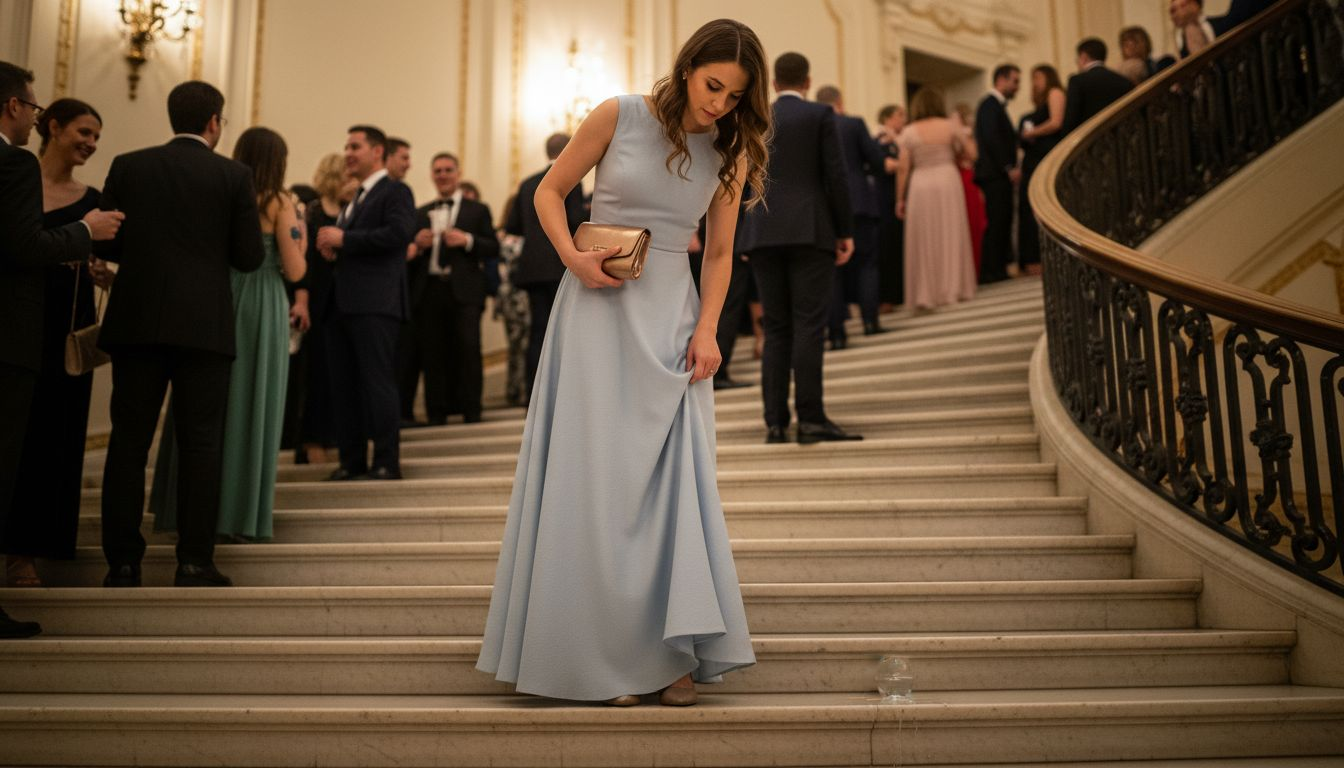
Think A-line gowns only flatter slim figures? That’s one of the biggest myths in formalwear. The truth is this graceful silhouette suits at least 75% of female body types, combining elegance with exceptional comfort. Whether you’re shopping for prom, your Quinceañera, or a wedding, understanding what makes the A-line gown so universally flattering will help you choose a dress that makes you feel confident and beautiful all night long.
Table of Contents
- Understanding The A-Line Gown Silhouette
- Why Choose An A-Line Gown For Special Occasions?
- Comparing A-Line Gowns With Other Popular Gown Styles
- Which Body Types Best Suit A-Line Gowns?
- Fabric, Styling, And Accessory Tips For A-Line Gowns
- Common Misconceptions About A-Line Gowns
- Historical And Cultural Significance Of The A-Line Gown
- How To Choose Your Perfect A-Line Gown For Your Event
- Discover Your Dream A-Line Gown At DressMeUpNY
- What Is A Line Gown? Frequently Asked Questions
Key Takeaways
| Point | Details |
|---|---|
| A-line gowns feature a fitted bodice that flares gradually to the hem, resembling the letter ‘A’ | This silhouette creates a balanced, elegant shape that skims the body without clinging tightly |
| Over 60% of women choose A-line gowns for formal events due to their blend of style and comfort | The popularity stems from their universal flattering effect and ease of movement |
| Suitable for at least 75% of female body shapes, including pear, apple, and hourglass figures | The flare balances proportions naturally, making it an inclusive style choice |
| The flare is gentler than ball gowns and differs entirely from form-fitting mermaid styles | Understanding these distinctions helps you select the right gown for your personal taste and event |
| Lightweight fabrics enhance movement while minimal accessories complement the clean silhouette | Smart fabric and styling choices maximize both elegance and comfort for long events |
Understanding the A-Line Gown Silhouette
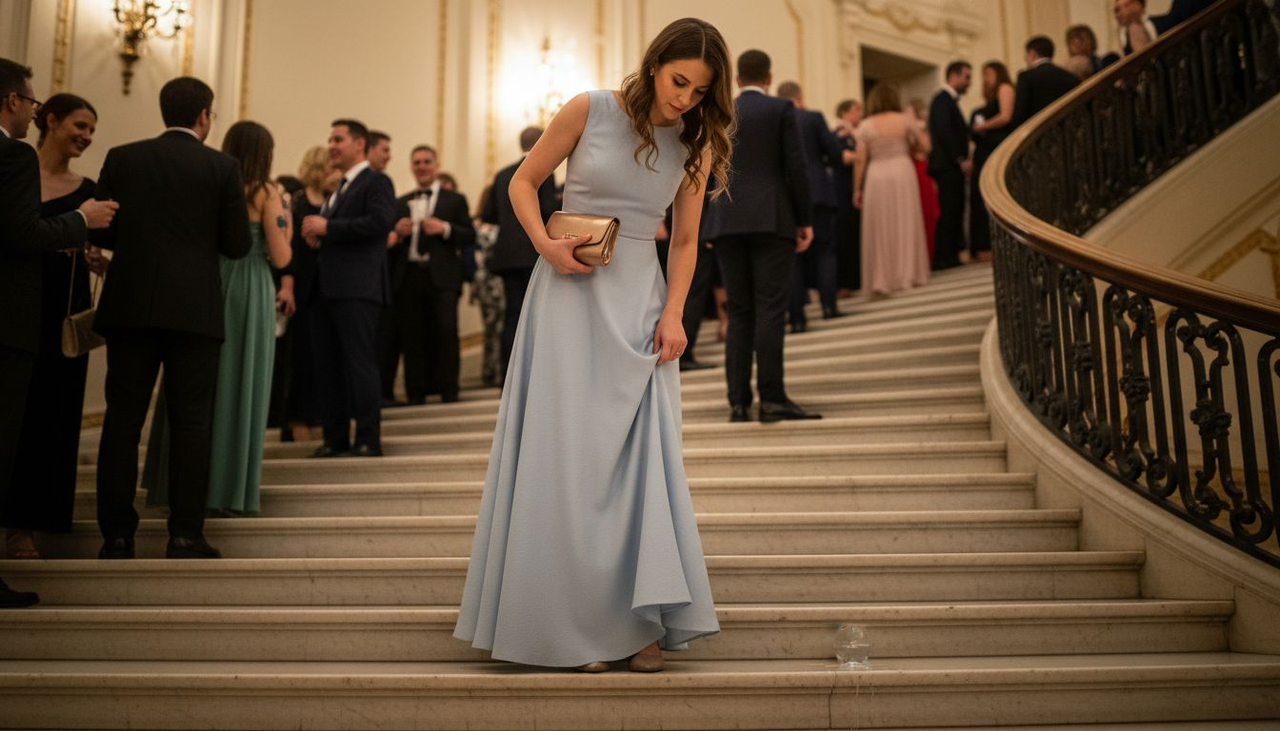
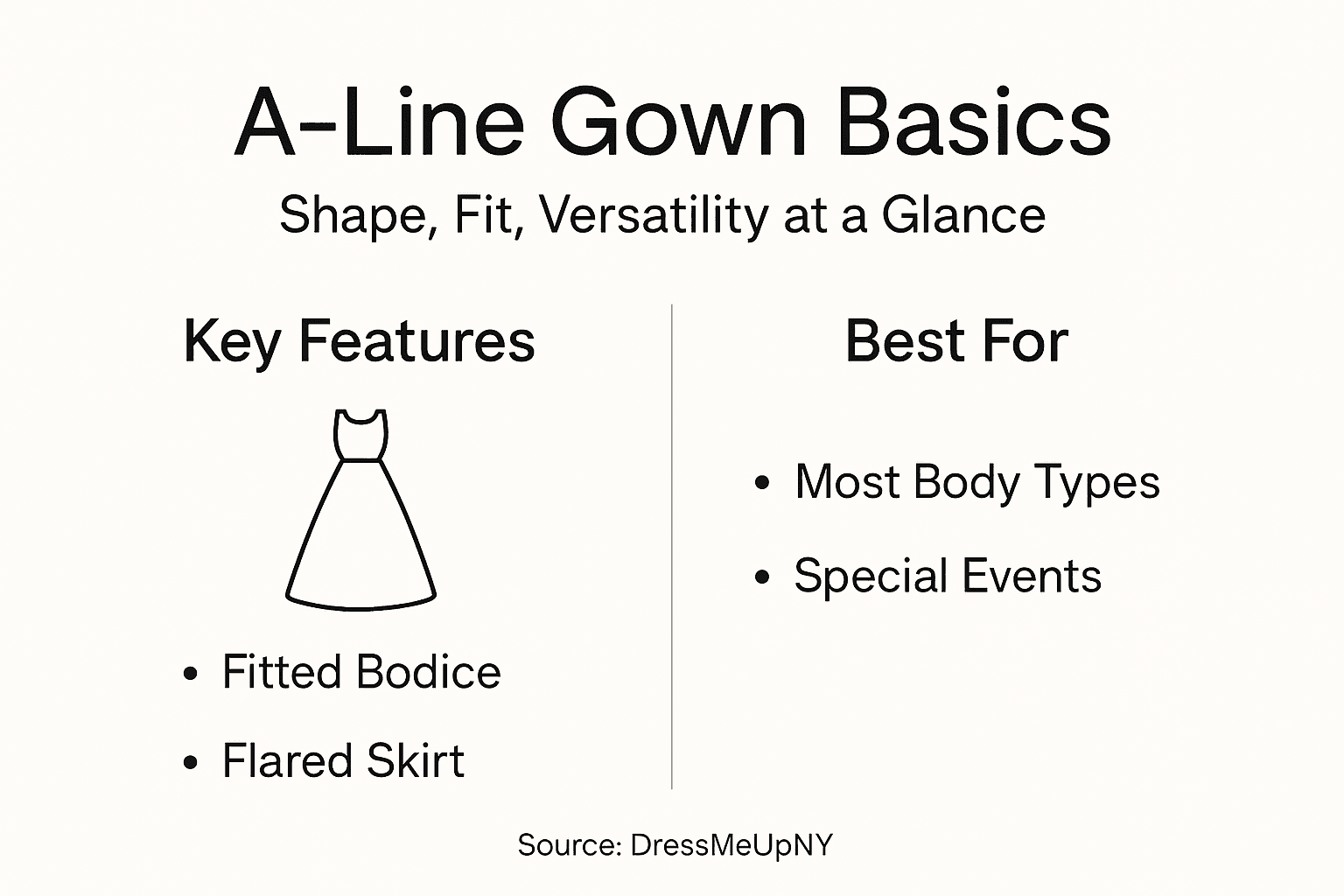
An A-line gown features a fitted bodice that narrows at the top and widens gradually toward the hem, forming the shape of an uppercase ‘A.’ This distinctive cut starts with a snug fit through the bust and waist, then flows outward in a gentle flare that creates an elegant, triangular silhouette.
The beauty of this design lies in its balance. The fitted waist emphasizes your natural curves, while the flowing skirt provides graceful movement without adding bulk. This combination of elegance with comfort explains why the A-line remains consistently popular for special occasions.
Key features that define the A-line silhouette:
- Fitted bodice through bust and waist
- Gradual flare starting at or just below the waist
- Hem wider than shoulders, creating triangular shape
- Skirt skims hips and thighs without clinging
- Natural waist emphasis without rigid structure
Pro Tip: When shopping, look at how the gown falls when you stand naturally. A true A-line should create a smooth line from waist to hem without any abrupt volume changes. If you’re new to formal dress shopping, check out what an A-line dress is to see detailed style variations.
Why Choose an A-Line Gown for Special Occasions?
A-line gowns dominate the formalwear market for good reason. Over 60% of formal event dresses sold in the US are A-line styles because they deliver exactly what women want: graceful elegance paired with exceptional comfort.
For events lasting several hours, comfort becomes crucial. You’ll be dancing, sitting, standing, and moving constantly at proms, Quinceañeras, and weddings. The A-line’s flowing cut allows natural movement without restriction. Unlike tighter styles that can pinch or bunch, or voluminous gowns that require constant adjustment, A-lines move with you effortlessly.
This makes them especially popular for three major occasions:
- Proms: Young women prioritize dancing comfort and photogenic elegance
- Quinceañeras: The style honors tradition while allowing hours of celebration
- Weddings: Guests and bridesmaids appreciate the refined look without fuss
- Formal galas: The sophisticated silhouette works for upscale evening events
The lightweight, flowing cuts keep you comfortable during extended wear. You won’t feel constricted when sitting for dinner or overheated when dancing. This practical advantage, combined with timeless elegance, makes A-lines the smart choice for special occasion dresses.
By the Numbers: A-line gowns account for over 60% of all formal dress purchases because they successfully combine style with wearability, a rare achievement in formalwear design.
Comparing A-Line Gowns with Other Popular Gown Styles
Understanding how A-line gowns differ from other formalwear helps you choose the right style for your event and personal taste. The three most common silhouettes each create distinctly different looks.
| Style | Silhouette | Volume | Best For |
|---|---|---|---|
| Ball Gown | Fitted bodice, very full skirt from waist | High volume, dramatic | Traditional formal events, making a grand entrance |
| A-Line | Fitted bodice, gradual flare | Moderate, sleek | Versatile occasions, all-night comfort |
| Mermaid | Fitted through hips/knees, sharp flare at bottom | Minimal until flare | Showcasing curves, confident wearers |
| Sheath | Straight from shoulders to hem | Minimal | Understated elegance, slim figures |
Ball gowns feature large, voluminous skirts that start at the waist, creating dramatic fullness. A-line skirts have up to 30% less bulk than ball gowns, offering a slimmer, sleeker silhouette that’s easier to manage in crowded venues.
Mermaid gowns fit tightly through your hips and knees, then flare sharply below. This creates an hourglass emphasis but restricts movement compared to A-lines. You’ll notice the difference immediately when sitting or dancing.
Choosing between these styles depends on your priorities:
- Want maximum drama and traditional formality? Choose ball gown
- Need comfort, versatility, and graceful flow? Choose A-line
- Prefer body-hugging glamour and curves on display? Choose mermaid
Pro Tip: Try on at least one gown from each category to feel the difference. What looks amazing in photos might feel restrictive after an hour. The differences between gown styles become clear once you experience how each moves with your body.
Which Body Types Best Suit A-Line Gowns?
Here’s the truth that surprises most shoppers: A-line gowns flatter approximately 75% of female body types. This isn’t marketing hype. The silhouette’s design naturally balances proportions across diverse figures.
The fitted bodice defines your waist, while the gradual flare skims over hips and thighs without clinging. This creates a balanced line that works for pear shapes, apple shapes, hourglass figures, and athletic builds. Even petite and plus-size women find A-lines reliably flattering.
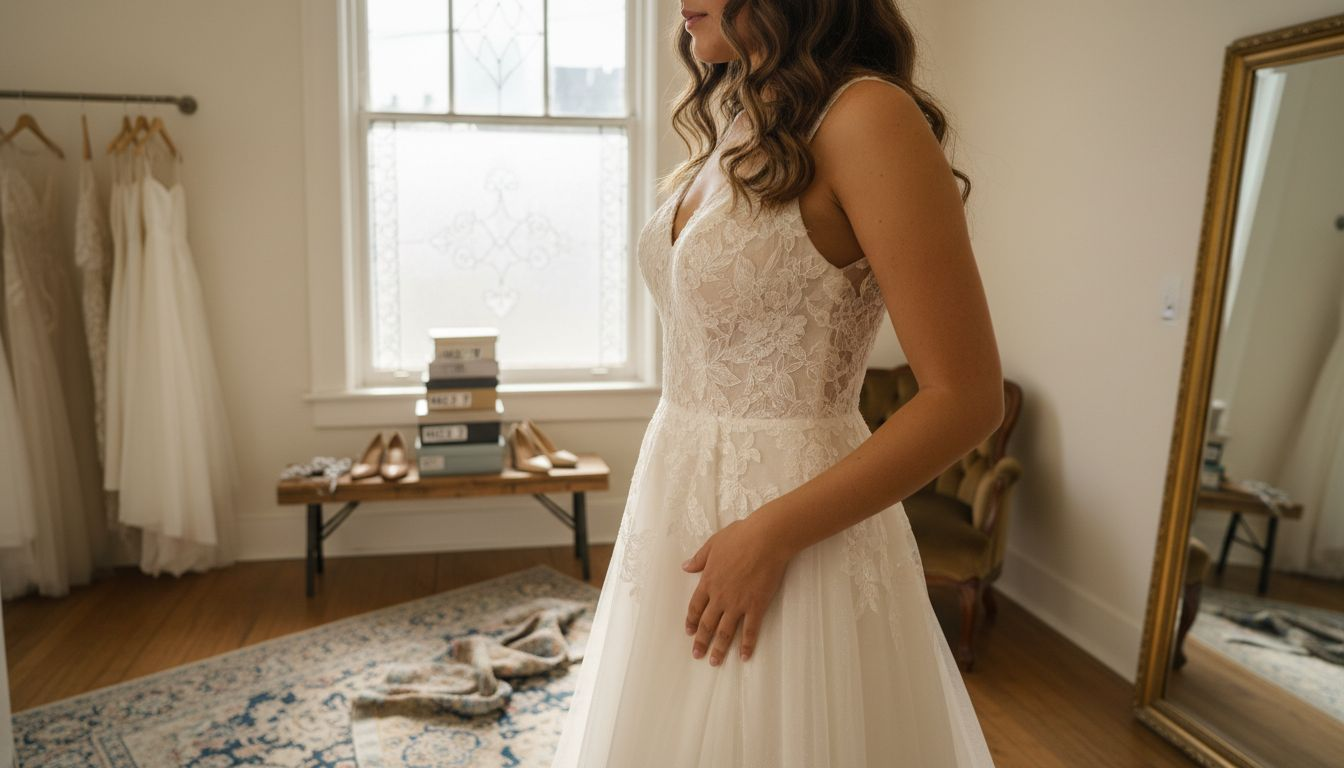
Why this universal appeal? The A-line emphasizes your narrowest point (the waist) while the flare draws the eye downward in a smooth, continuous line. This visual flow minimizes any areas you’d rather not emphasize while highlighting your natural curves.
Body shapes that especially benefit from A-lines:
- Pear shape: Balances wider hips with fitted bodice
- Apple shape: Skims midsection while defining waist
- Hourglass: Accentuates curves without overwhelming them
- Athletic/Rectangle: Creates curves through structured bodice and flare
- Plus size: Provides elegance without tight restrictions
The myth that A-lines only suit slim or petite figures is completely false. The style’s genius lies in its proportional balance, which works regardless of your size. If you’re exploring flattering A-line styles, focus on how the waist placement and flare width complement your specific proportions rather than worrying about your body type.
Fabric, Styling, and Accessory Tips for A-Line Gowns
Your fabric choice dramatically affects how your A-line gown looks and feels throughout your event. Lightweight fabrics like chiffon, tulle, and georgette create beautiful flow and movement. They catch light beautifully and allow the skirt to sway gracefully when you walk or dance.
Structured fabrics like satin, taffeta, and mikado offer more form and hold the A-line shape precisely. They photograph beautifully but may restrict movement slightly. For events lasting several hours with lots of dancing, prioritize lighter fabrics.
Accessorizing an A-line gown requires restraint. The silhouette’s clean lines work best with minimal jewelry that complements rather than competes. A simple pendant or delicate earrings often suffice. Avoid chunky statement pieces that disrupt the gown’s elegant flow.
Styling guidelines for maximum elegance:
- Jewelry: Keep it simple and proportional to the neckline
- Shoes: Elegant heels enhance posture without overwhelming the dress
- Hair: Up-dos showcase the bodice; flowing styles complement the skirt’s movement
- Clutch: Small, streamlined bags maintain the sleek silhouette
- Wrap/Shawl: Choose lightweight options that don’t add bulk
Pro Tip: Choose fabrics based on your event’s duration and activity level. A five-hour prom with constant dancing calls for breathable, lightweight materials. A two-hour ceremony with mostly sitting can handle heavier, more structured fabrics. For more guidance, explore elegant styling tips that help you coordinate your entire look.
Common Misconceptions About A-Line Gowns
Several persistent myths about A-line gowns lead shoppers to make poor choices or overlook this versatile style entirely. Let’s clear up the most common misunderstandings.
Myth: Only slim or petite women can wear A-line gowns. Fact: The A-line suits at least 75% of body types, including curvy and plus-size figures. The gradual flare balances proportions naturally regardless of your size.
Myth: A-line gowns and ball gowns are essentially the same. Fact: Ball gowns have dramatically fuller skirts with up to 30% more bulk starting right at the waist. A-lines flare gradually, creating a much sleeker profile.
Myth: All A-line gowns have the same amount of flare. Fact: Flare varies significantly between designs. Some feature subtle flares for a streamlined look, while others have fuller skirts approaching ball gown volume. Always check the specific gown’s proportions.
Myth: A-lines look too casual for black-tie events. Fact: Fabric and embellishment determine formality, not silhouette. A silk A-line with beading looks just as formal as any ball gown.
Common shopping errors to avoid:
- Assuming A-lines won’t work without trying one on
- Choosing based on what friends wore rather than your preferences
- Ignoring fabric weight and how it affects comfort
- Over-accessorizing and disrupting the clean lines
Understanding these misconceptions prevents decision errors and improves your shopping satisfaction. The A-line’s versatility means you have more options than you initially thought.
Historical and Cultural Significance of the A-Line Gown
The A-line silhouette entered fashion history through Christian Dior’s 1955 collection, which literally introduced the term “A-line” to describe this revolutionary shape. Dior’s design broke from the restrictive, heavily structured gowns that dominated the early 1950s.
His innovation created a shape that balanced elegance with freedom of movement, perfectly capturing the era’s shift toward modern femininity. The style immediately resonated with women who wanted sophistication without sacrifice.
Over the following decades, the A-line evolved through various fabric innovations and design adaptations. Designers added modern touches like illusion necklines, lace overlays, and intricate beading while maintaining the core silhouette. This adaptability explains why the style remains relevant 70 years after its introduction.
Today, the A-line symbolizes timeless elegance. It appears in bridal collections, prom catalogs, and red carpet events season after season. Unlike trendy styles that fade, the A-line’s fundamental appeal endures because it solves a universal challenge: creating a flattering, comfortable, elegant silhouette.
“The A-line gown’s enduring silhouette makes it a classic for generations. Its ability to evolve with fashion while maintaining its core appeal demonstrates true design genius.”
The cultural significance extends beyond Western fashion. The A-line appears in formal celebrations worldwide, from Latin American Quinceañeras to Asian formal events, proving its universal appeal transcends cultural boundaries.
How to Choose Your Perfect A-Line Gown for Your Event
Selecting the ideal A-line gown requires a systematic approach that considers your event, body, and personal style. Follow these steps to make a confident choice.
-
Identify your event type and formality level. Prom allows for trendy details and bold colors. Quinceañeras often feature traditional elements and specific color palettes. Wedding guests should avoid white and match the venue’s formality. Black-tie galas require luxurious fabrics and sophisticated styling.
-
Understand your body shape and proportions. Know whether you’re pear, apple, hourglass, or athletic shaped. Notice where you naturally narrow (usually waist) and where you want the flare to begin. Most A-lines start flaring at or just below the natural waist, but some styles vary.
-
Select fabric based on comfort and movement needs. Long events with dancing call for breathable, lightweight materials like chiffon or tulle. Shorter, more formal occasions can handle structured fabrics like satin or taffeta. Consider the season too; summer events need lighter fabrics.
-
Choose accessories that enhance without overwhelming. Start with the gown’s neckline to determine jewelry style. High necklines need minimal or no necklaces. Strapless gowns can handle slightly more. Keep everything proportional and don’t compete with the dress.
-
Consider color and embellishment. Solid colors create timeless elegance. Embellishments like beading or lace add visual interest but increase weight and cost. Decide based on your budget and the impression you want to make.
Pro Tip: Always try on multiple A-line gowns even if you think you know your size. Brands vary significantly in their cuts, and what fits perfectly in one style might need alterations in another. The best gown is the one that makes you feel confident the moment you put it on.
For comprehensive guidance, explore resources on choosing your A-line gown and gown selection tips. If you’re shopping for extended sizes, check out plus size formal dress tips for specific fit guidance.
Discover Your Dream A-Line Gown at DressMeUpNY
Ready to find the perfect A-line gown that combines elegance, comfort, and your personal style? DressMeUpNY offers carefully curated collections featuring diverse A-line styles for proms, Quinceañeras, weddings, and formal galas.
Our selection includes lightweight chiffon designs for maximum movement, structured satin gowns for timeless sophistication, and embellished styles that make unforgettable statements. Each gown is chosen to flatter diverse body types and suit various event formalities.
Browse expert styling advice and personalized recommendations that help you navigate fabric choices, accessory pairings, and fit considerations. Whether you’re attending your first formal event or you’re a seasoned gown wearer, our comprehensive guides make shopping confident and enjoyable. Explore A-line gown styles to see how different cuts and fabrics create unique looks, or dive into our formal dress styles guide for a complete overview of your options.
What Is A Line Gown? Frequently Asked Questions
What fabric types work best for A-line gowns?
Lightweight fabrics like chiffon, tulle, and georgette create beautiful flow and maximize comfort for long events with dancing. Structured fabrics like satin, taffeta, and mikado hold the A-line shape precisely and photograph beautifully but may restrict movement slightly.
How should I accessorize an A-line gown for a wedding?
Keep jewelry minimal to complement the gown’s clean silhouette. Choose a simple pendant or delicate earrings proportional to the neckline. Pair with elegant heels and a small clutch. Avoid chunky statement pieces that compete with the dress’s graceful lines.
What is the difference between A-line and ball gown for petite figures?
Ball gowns have dramatically fuller skirts with up to 30% more bulk starting at the waist, which can overwhelm petite frames. A-line gowns flare gradually, creating a sleeker profile that balances proportions better for smaller statures while still providing elegant volume.
Can A-line gowns accommodate plus-size bodies comfortably?
Absolutely. A-line gowns suit at least 75% of body types, including plus-size figures. The fitted bodice defines the waist while the gradual flare skims over hips and thighs without clinging, creating a balanced, flattering silhouette that provides elegance without tight restrictions.
Are A-line gowns comfortable for events lasting several hours?
Yes. Over 60% of women choose A-line gowns for formal events specifically because they combine elegance with exceptional comfort. The flowing cut allows natural movement without restriction, making them ideal for extended wear involving dancing, sitting, and standing throughout proms, Quinceañeras, and weddings.
Recommended
- A-Line Gown: Flattering Styles for Formal Events - DressMeUpNY
- Understanding What is an A-Line Dress - DressMeUpNY
- What Is a Ball Gown? The Essential 2025 Style Guide - DressMeUpNY
- 7 Key Tips for Choosing Plus Size Formal Gowns - DressMeUpNY
- Natural Hairline in Extensions: Achieving Seamless Results