
What Is an Exclusive Dress? Your 2026 Buying Guide
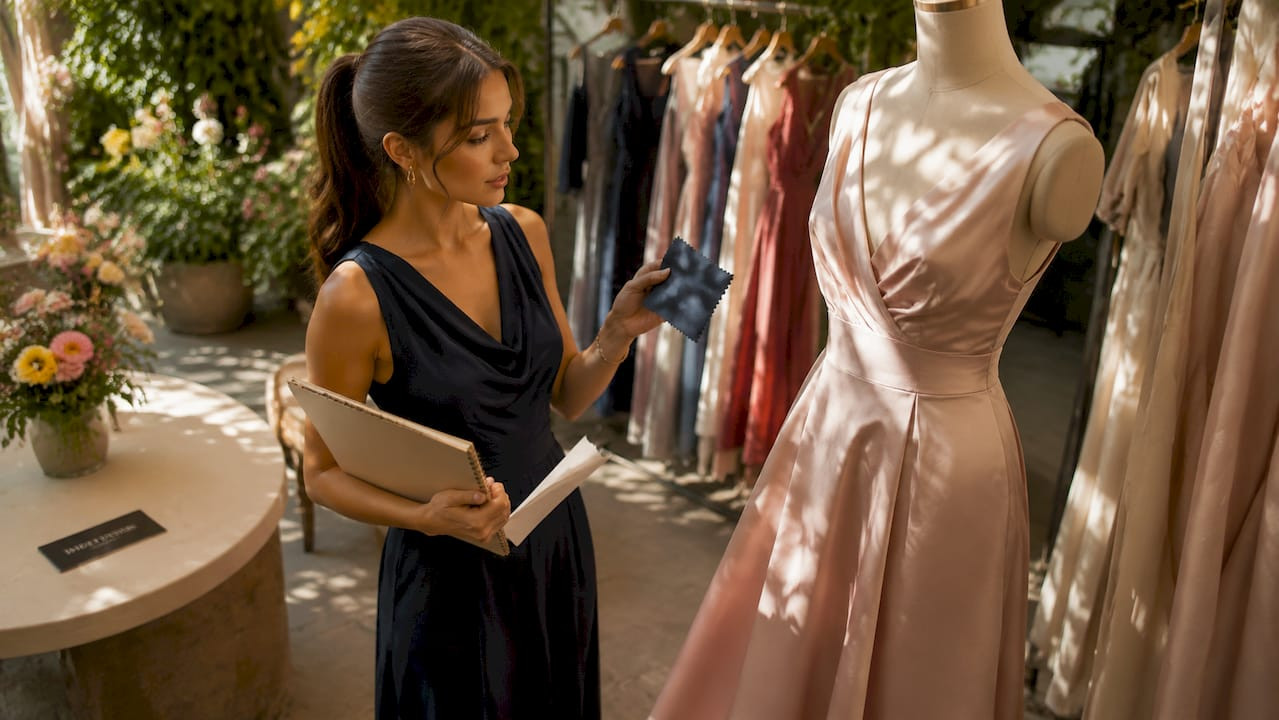
What Is an Exclusive Dress? Your 2026 Buying Guide
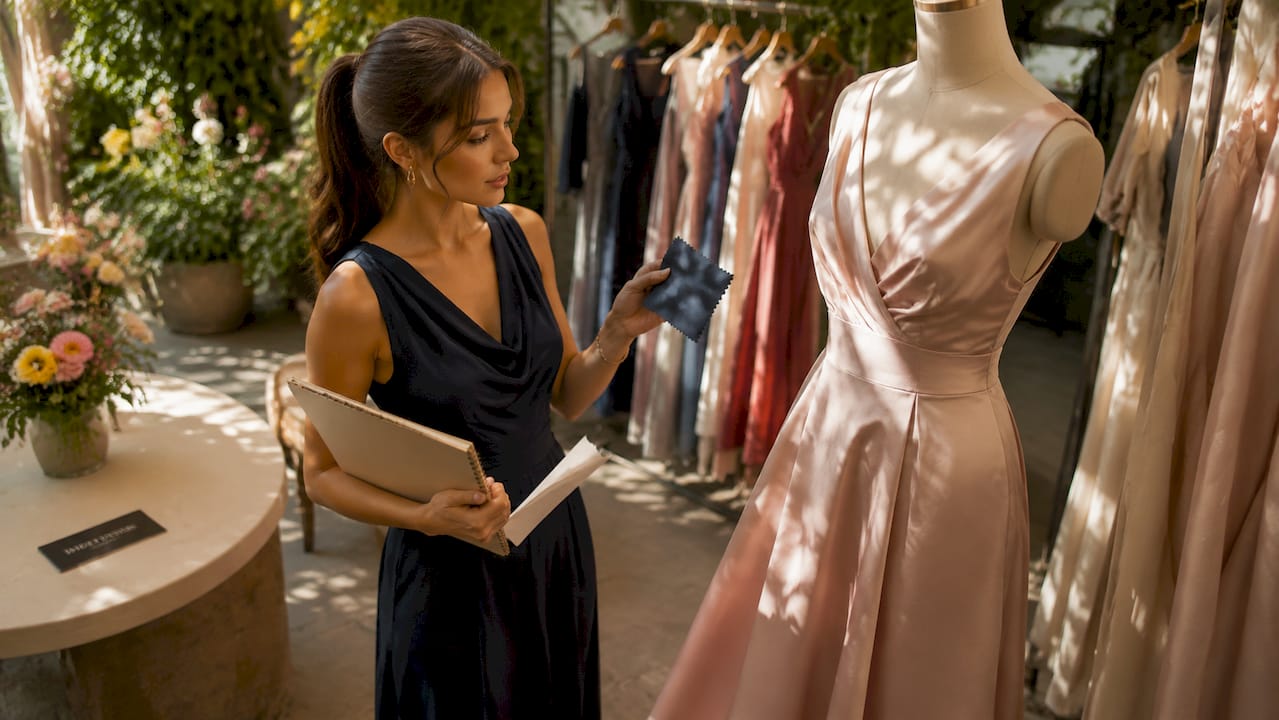
TL;DR:
- An exclusive dress is a one-of-a-kind garment made with high-quality materials, personalized design, and expert craftsmanship. It is typically bespoke, tailored entirely to the wearer’s measurements and preferences, with verified fabric standards and superior construction. Planning for 8 to 10 months ensures proper production, fittings, and alterations to achieve a truly unique formalwear piece.
An exclusive dress is defined as a one-of-a-kind or strictly limited garment built from premium materials, personalized design elements, and skilled craftsmanship that mass-produced fashion cannot replicate. The industry term for the highest tier is bespoke, meaning the garment is made entirely to your measurements and specifications. Whether you are shopping for a designer evening gown, a luxury party dress, or unique bridal attire, understanding what separates a truly exclusive piece from a standard formal dress saves you time, money, and disappointment. Dressmeupny carries curated collections across all these categories, making it a practical starting point for women who want quality without the guesswork of navigating the broader market.
What makes an exclusive dress different from regular formalwear?
An exclusive dress earns that label through three measurable factors: design originality, material quality, and construction standards. Each factor is verifiable before you spend a dollar.
Design originality
Bespoke and limited edition gowns start with a design consultation, not a rack. The designer produces sketches based on your event, body shape, and personal preferences. Customization options typically include sleeve style, train length, neckline shape, and lining color. That level of control is simply not available in mass retail.
Material quality
Fabric choice separates a forgettable dress from one you remember for decades. Exclusive dress fabrics include luxurious silks, lace, cotton blends, and sustainable materials chosen for both comfort and visual impact. Sustainable blends matter more in 2026 than they did five years ago, and many buyers now treat ethical sourcing as a non-negotiable. You can review ethical material standards to understand what certifications to look for before committing to a purchase.
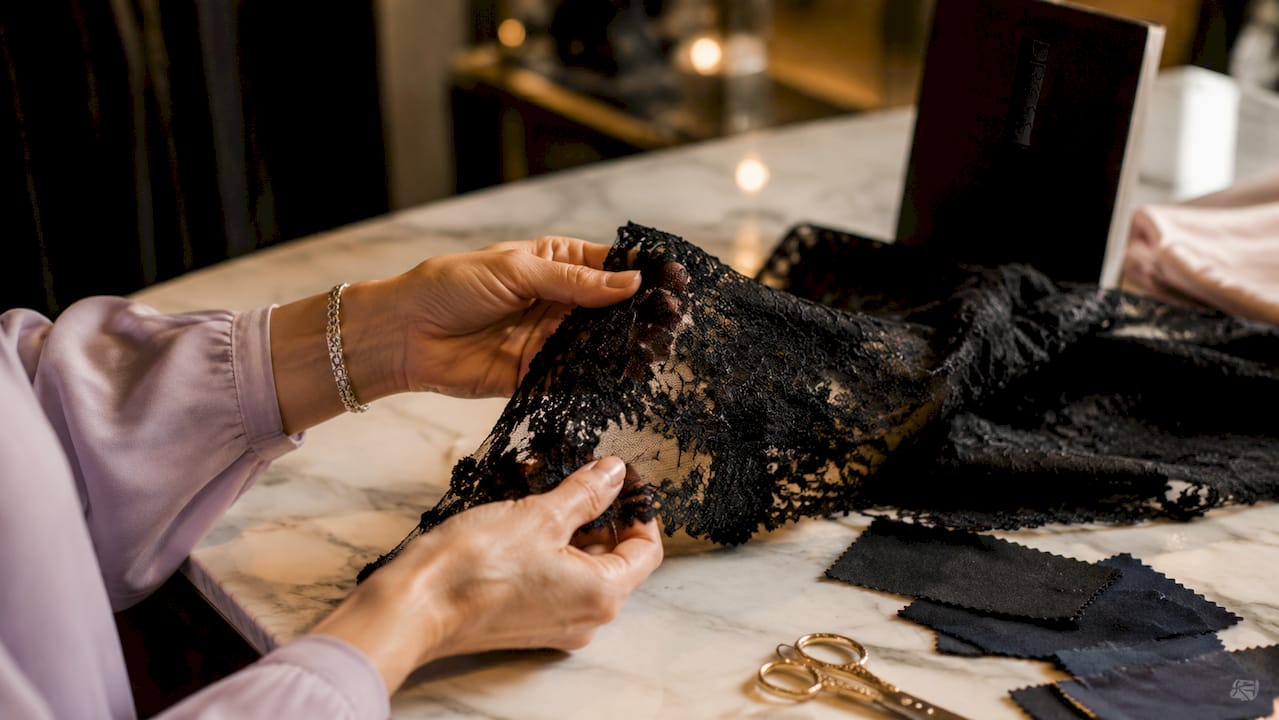
Material certifications like ISO 9001 and OEKO-TEX® act as reliable indicators of craftsmanship and long-term dress quality. ISO 9001 covers production management consistency, while OEKO-TEX® certifies that fabrics are free from harmful substances. Seeing either label on a manufacturer’s documentation is a concrete sign that quality control is taken seriously.
Construction standards
Hand-stitched seams, French seams, and boning placement are the details that distinguish a high-end cocktail dress from a look-alike. Run your hand along interior seams: raw, fraying edges signal shortcuts. A well-constructed exclusive dress holds its shape through an entire event without constant adjustment.
Pro Tip: Ask the atelier or retailer for fabric swatches before finalizing your order. Feeling the weight and texture in person prevents surprises when the finished dress arrives.
- Inspect seam finishing inside the garment before accepting delivery
- Confirm fabric certifications in writing, not just verbally
- Request photos of the construction at key stages for custom orders
- Verify that embellishments are sewn, not glued, for lasting durability
How do you work with designers to create a custom dress?
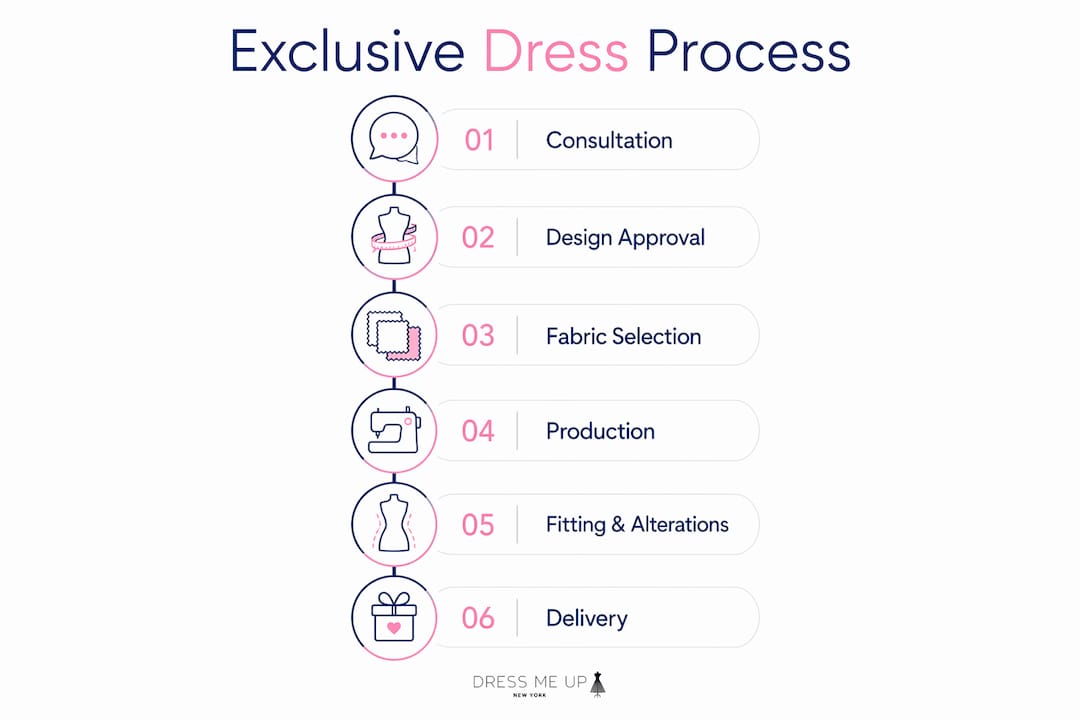
The custom design process follows a clear sequence. Knowing each step prevents miscommunication and keeps your timeline on track.
-
Initial consultation. Share your event date, venue, dress code, and inspiration images. The more specific you are, the closer the first sketch lands to your vision. Bring photos of silhouettes you love and fabrics you want to avoid.
-
Sketch approval. The designer presents one or more sketches for your feedback. This is the right moment to request changes to neckline, sleeve length, or embellishment placement. Changes after fabric is cut cost significantly more.
-
Fabric selection. You choose from the designer’s curated fabric options or request a specific material. Confirm the fabric certification at this stage if quality standards matter to you.
-
Measurements and deposit. Accurate measurements are taken for bust, waist, and hips. Custom dress orders typically require a 50% deposit upfront, with the balance due within four weeks or on completion. That deposit structure protects both parties and signals a serious commitment.
-
Production and fittings. The atelier builds the dress and schedules one or more fitting appointments. Expect at least two fittings for a fully bespoke piece.
-
Final alterations and delivery. Minor adjustments are made after the final fitting. The dress is then pressed, packaged, and delivered or collected.
Bespoke design is a co-creative process that requires client-designer trust and clear communication. Designers make judgment calls during construction that serve the final silhouette. Trusting those decisions, while staying vocal about anything that genuinely concerns you, produces the best results.
Pro Tip: Keep a dedicated folder, digital or physical, with all design sketches, fabric swatches, and written agreements. If a dispute arises, documentation resolves it quickly.
You can find a detailed walkthrough of the full ordering sequence in this guide to custom evening gowns for special events.
How to choose the right exclusive dress for your occasion
The event type determines the silhouette before personal preference enters the picture. Wearing a dramatic ball gown to a garden cocktail party reads as a mismatch, no matter how beautiful the dress is.
- Prom: A-line and ball gown silhouettes dominate prom floors because they photograph well and allow movement. Bold colors and statement embellishments work here. A sequined A-line in emerald or cobalt reads as intentional, not overdone.
- Wedding guest: Midi and tea-length dresses in muted jewel tones or pastels are the safe standard. Avoid white, ivory, and champagne entirely. A high-end cocktail dress in dusty rose or sage signals sophistication without upstaging the bride.
- Evening gala or red carpet event: A floor-length designer evening gown with structured boning and a clean silhouette commands attention. Column and mermaid cuts work for most body shapes and photograph cleanly under event lighting.
- Quinceañera guest: Vibrant colors and fuller skirts complement the celebration’s energy. A luxury party dress in fuchsia or royal blue fits the occasion perfectly.
Body shape guides silhouette choice, but it is not a rigid rule. An empire waist elongates the torso on petite frames. A wrap-style bodice creates definition on straighter figures. The goal is a dress that feels like yours, not a costume.
Pro Tip: Bring the shoes you plan to wear to any fitting. Heel height changes your posture and affects where the hem should fall.
What are the logistics of ordering and receiving an exclusive dress?
Timing is the most underestimated factor in the exclusive dress process. Custom bridal gowns take approximately 4–6 months to produce, with an additional 2–3 months recommended for local alterations. That means ordering 8–10 months before your event is the standard, not the exception.
| Stage | Typical timeframe |
|---|---|
| Design consultation and sketch approval | 1–2 weeks |
| Production (custom or made-to-order) | 4–6 months |
| Shipping and transit | 2–4 weeks |
| Local alterations | 2–3 months |
| Total recommended lead time | 8–10 months |
Shipping and fitting timelines frequently exceed initial estimates. Proactive planning and local fitting arrangements reduce last-minute stress significantly. Adding a 2–4 week buffer beyond the stated deadline is the standard recommendation from experienced dressmakers.
One detail many buyers miss: bridal and formal sizing runs smaller than retail sizing. A bridal size 10 may correspond to a retail size 6. Measuring bust, waist, and hips precisely before ordering prevents the most common fit problems. Even made-to-measure dresses require at least one round of local alterations after arrival, so budget for that cost from the start.
For broader context on what the latest designer collections look like for 2026 special occasions, Dressmeupny’s editorial coverage tracks current silhouettes and fabric trends across all formal categories.
Key Takeaways
An exclusive dress requires verified material quality, a clear design process, and a realistic timeline of 8–10 months to deliver a result that genuinely stands apart from mass-produced formalwear.
| Point | Details |
|---|---|
| Define exclusivity clearly | Look for bespoke design, certified fabrics like OEKO-TEX®, and hand-finished construction. |
| Budget for the full process | A 50% upfront deposit and local alteration costs are standard parts of the total investment. |
| Order 8–10 months early | Production takes 4–6 months; alterations add another 2–3 months on top. |
| Match silhouette to event | Prom, wedding guest, and gala events each call for different dress shapes and color choices. |
| Build in a time buffer | Add 2–4 weeks beyond the stated deadline to absorb shipping and fitting delays. |
What I have learned from years of watching women choose exclusive dresses
The single biggest mistake I see is treating a custom dress order like an online retail purchase. Women place the order, then go quiet for months, and then panic when the dress arrives slightly different from the sketch. Bespoke design is a conversation, not a transaction. The sketch is a starting point, not a contract.
The second mistake is underestimating alteration time. A dress that arrives six weeks before the event with no local tailor lined up is a genuine crisis. I have seen it happen more than once. The dress itself was beautiful. The timeline was the problem.
What actually works is this: trust the designer’s construction decisions while staying specific about the details that matter most to you. If the neckline is the one thing you cannot compromise on, say so at the sketch stage. If the fabric drape matters more than the embellishment, make that clear. Designers respond to specificity. Vague feedback produces vague results.
Investing in quality materials is never the wrong call. A dress made from certified silk or a sustainable blend holds its shape, photographs better, and lasts long enough to become meaningful. The women who regret their exclusive dress choices almost always cut corners on fabric, not design.
— Dressmeup
Exclusive dress collections at Dressmeupny
Dressmeupny brings together designer evening gowns, prom dresses, wedding guest styles, and limited edition gowns across a catalog built specifically for formal occasions.
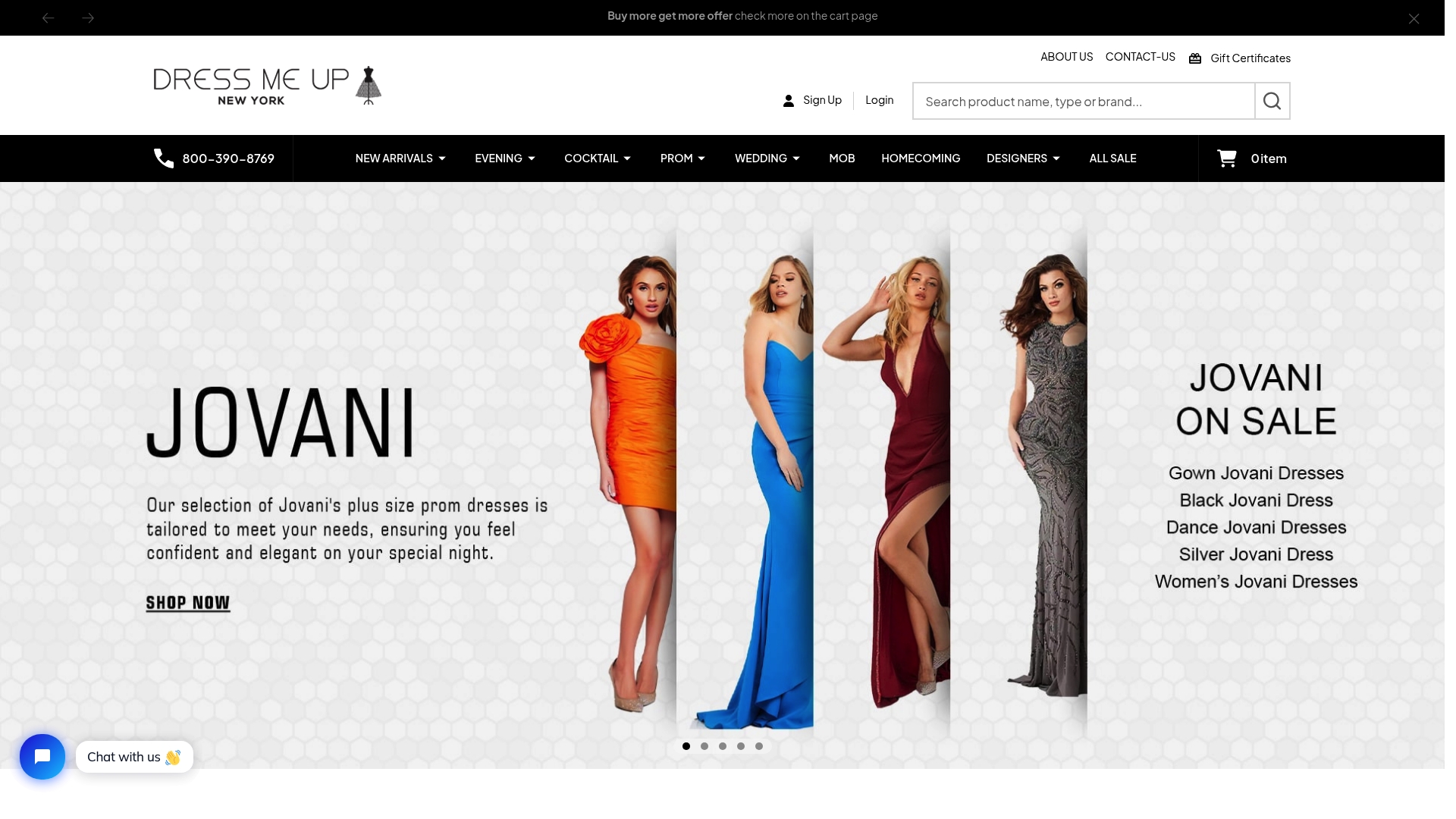
Every category on the site is organized by silhouette, color, and event type, so finding the right starting point takes minutes rather than hours. Dressmeupny also features new arrivals regularly, which means the 2026 collections reflect current silhouette trends rather than last season’s inventory. Browse the full range of formal occasion dresses and filter by the event you are dressing for. Whether you need a high-end cocktail dress for a gala or a floor-length gown for prom, the catalog covers both ends of the formality spectrum with options that prioritize quality and visual impact.
FAQ
What is an exclusive dress?
An exclusive dress is a garment defined by unique design, premium materials, and personalized fit that distinguishes it from mass-produced fashion. The highest tier is a bespoke dress, made entirely to the wearer’s measurements and specifications.
How long does it take to get a custom made dress?
Custom bridal and formal gowns take approximately 4–6 months to produce, plus 2–3 months for local alterations. Ordering 8–10 months before your event is the standard recommendation.
What deposit is required for a custom dress order?
Most custom dressmakers require a 50% deposit upfront to begin production, with the balance due within four weeks or on completion of the garment.
How do I know if a dress fabric is high quality?
Look for fabric certifications like OEKO-TEX® for safety and ISO 9001 for production quality. These certifications confirm that the material meets verified standards for durability and safety.
What silhouette works best for a prom exclusive dress?
A-line and ball gown silhouettes are the most popular choices for prom because they photograph well and allow full movement on the dance floor. Bold colors and embellishments work particularly well in these cuts.
Recommended
- Chic Dresses for Special Occasions: Your 2026 Style Guide - DressMeUpNY
- Best Dress Styles for Body Types: 2025 Event Guide - DressMeUpNY
- What Is a Sheath Dress? Guide for Special Occasions 2025 - DressMeUpNY
- Dress Code Explained 2025: A Guide for Special Events - DressMeUpNY