
Formal Attire for Women: When to Follow Etiquette or Personalize
Formal Attire for Women: When to Follow Etiquette or Personalize

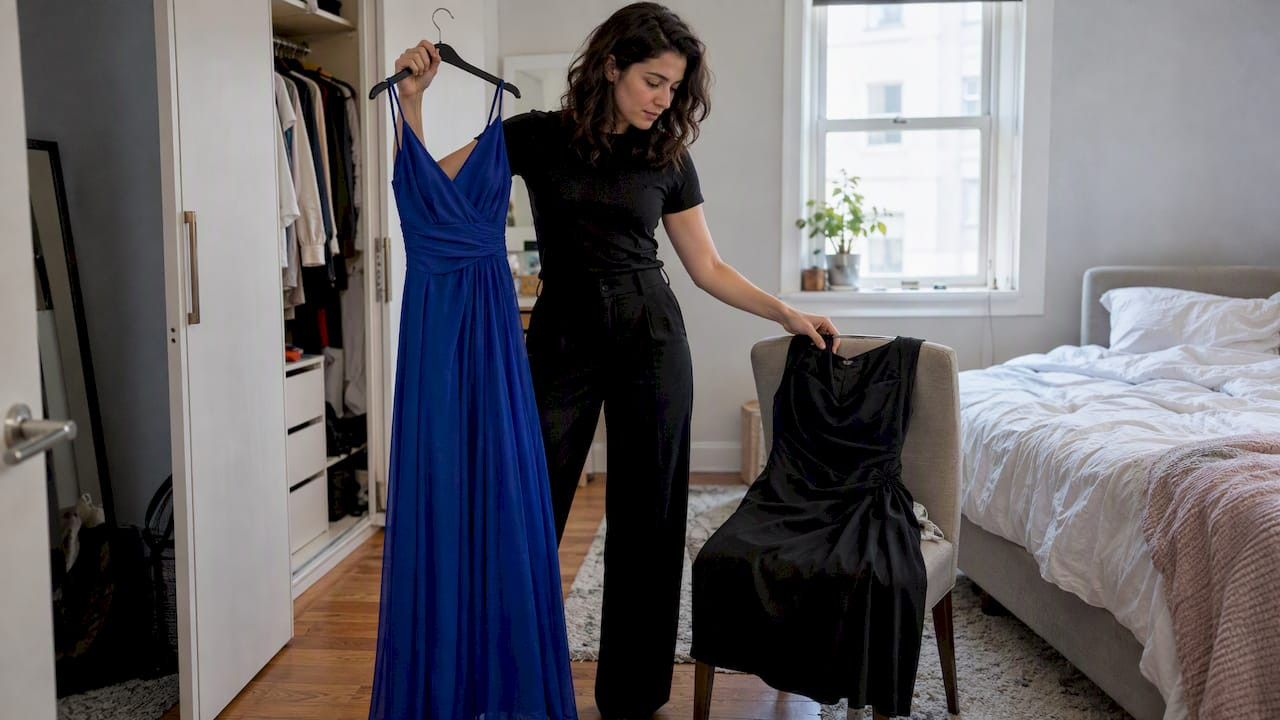
Formal attire for women usually means evening-appropriate, elevated dressing: think floor-length gowns or equally polished tailored suiting made from evening fabrics. We see it most at weddings, galas, and formal dinners. That said, modern dress codes have loosened a bit. The invitation itself, along with the venue and time of day, often tells you how much room you have to personalize your look.
TL;DR:
- Most formal events require a full-length gown, but black-tie optional allows for midi dresses or tailored jumpsuits depending on the occasion.
- Fabrics like silk, chiffon, velvet, tulle, or lace are essential for signaling formality, while cotton or linen are generally too casual.
- Accessories such as small clutches, elegant shoes, and subtle jewelry complete a formal look, with outerwear like opera cloaks adding sophistication.
- Reading and interpreting the invitation’s wording, venue, and time of day guides whether to choose a gown, suit, or dressier separates.
- For transitional seasons, layering with structured coats or light shawls extends the usability of formal gowns across different climates.
Table of Contents
- What formal attire means today versus black tie, white tie, and semi-formal
- Which silhouettes, lengths, and garments actually qualify as formal
- Fabrics, finishes, and embellishments that read as formal
- Accessories, shoes, outerwear, and grooming that complete the look
- How to read a formal invitation and choose your outfit
- Formal outfit ideas for weddings, galas, dinners, and funerals
- Hairstyling and makeup that complement a formal outfit
- Common mistakes to avoid when dressing formally
- Adapting formal attire to different seasons and climates
- How we think about formal dressing
- Shop formal dresses that match your occasion
- FAQ
- Sources
What formal attire means today versus black tie, white tie, and semi-formal
Dress codes can feel like a secret language, but once you know the hierarchy, decoding an invitation gets a lot easier. At the top sits white tie, the most formal code that exists. According to Emily Post’s black tie guide, white tie typically calls for a full-length evening gown, no exceptions. One step down is black tie, the dress code you’ll see most often at formal evening events, where a floor-length gown remains the standard, though contemporary hosts sometimes welcome a dressy cocktail dress or a sharply tailored pantsuit instead.
Then there’s black-tie optional, sometimes labeled “formal” on an invitation, which Emily Post notes gives guests more room to maneuver. You might choose a floor-length gown, a sophisticated midi dress, or an elegant dressy pantsuit, and all three would be appropriate. Semi-formal sits a notch below that again, opening the door to shorter cocktail dresses or elevated separates.
Here’s how the main codes break down in practice:
- White tie: full-length gown, the most formal option available to you.
- Black tie: floor-length gown preferred, with some hosts now accepting a formal pantsuit or dressy cocktail dress.
- Black-tie optional or formal: gown, midi dress, or tailored jumpsuit, depending on your comfort and the venue.
- Semi-formal: cocktail-length dresses or polished separates, a step more relaxed than true formal.
Debrett’s etiquette guidance frames these codes as a roadmap rather than a rulebook meant to box you in. Following the code signals respect for your host and the occasion, but it’s not meant to make dressing stressful. When you’re staring at an invitation that just says “formal” with no other context, lean toward the more traditional choice first, then adjust if the venue or time of day suggests otherwise.
Which silhouettes, lengths, and garments actually qualify as formal
Once you know the dress code, the next question is what to actually put on your body. Floor-length evening gowns remain the gold standard for formal events, and for good reason: they read as intentional, elegant, and appropriate for nearly every formal setting you’ll encounter. A well-cut gown in a column, A-line, or mermaid silhouette works for weddings, galas, and formal dinners alike.
Formal midi dresses have earned their place at the table too, especially for events where black-tie optional or semi-formal flexibility is in play. A tea-length or midi dress in a structured silhouette, paired with the right fabric, can look just as polished as a gown without the extra yardage.
Tailored pantsuits deserve more credit than they usually get. A sharply cut suit in a formal fabric, wide-leg trousers, a fitted blazer, can carry an evening just as confidently as a dress, and it’s become a go-to for women who want formal without the fuss of hemlines or slits. Structured jumpsuits follow the same logic: when cut from the right fabric and finished with the right details, they read as formal rather than casual.
A few details to keep in mind as you shop:
- Necklines: V-necks and off-the-shoulder styles tend to photograph well and suit most formal events, while high necklines pair nicely with more minimal jewelry.
- Slits: a thigh-high slit works for a gala but may feel out of place at a formal dinner or funeral, so match the slit height to the occasion.
- Sleeves: long sleeves or structured cap sleeves can push a look toward classic elegance, useful for more conservative formal settings.
If you want to see how different gown silhouettes compare side by side, our evening gown comparison guide breaks down fit and flattery across body types.
Pro Tip: Pair a floor-length gown with a small clutch and a structured evening coat, and you’ve covered nearly every formal scenario without overthinking the rest of the outfit.
Fabrics, finishes, and embellishments that read as formal
Fabric does as much work as silhouette when it comes to signaling formality, sometimes more. According to the Vogue guide to formal attire, formal evening wear favors elevated fabrics like silk, chiffon, velvet, tulle, and lace, and material choice carries just as much weight as cut when it comes to projecting the right level of formality.
Here’s a quick rundown of what tends to work:
- Silk: fluid, lightweight, and naturally luxurious, a safe choice for nearly any formal event.
- Chiffon: sheer and airy, often layered for movement in gowns with flowing skirts.
- Velvet: rich and textured, especially fitting for cooler-weather galas and winter weddings.
- Tulle: adds volume and drama, common in ball gown silhouettes.
- Lace: delicate and detailed, often used as an overlay for a romantic formal look.
- Duchess satin: structured and polished, a favorite for tailored gowns and formal suiting.
Material choice matters as much as silhouette for formality, according to Vogue’s formal attire guide, which notes that casual fabrics like cotton-poplin or linen are usually best avoided for traditional evening settings unless the event explicitly calls for something more relaxed, like a beach formal wedding.
Embellishment has its place too, but context matters. Beading and sequins suit galas and black-tie weddings beautifully, where a bit of shimmer under evening lighting feels celebratory rather than excessive. For a formal dinner or a more subdued occasion, a cleaner, unembellished fabric with a great cut tends to feel more fitting. We’d generally steer you away from heavy embellishment for anything funeral-adjacent or deeply conservative in tone.

For a deeper dive into which fabrics suit which formal occasions, our formal evening wear style guide covers the specifics in more detail.
Accessories, shoes, outerwear, and grooming that complete the look
The right dress only gets you partway there. Shoes, bags, outerwear, and jewelry all shape how formal your outfit reads once you walk into the room.
For shoes, heels remain the classic choice for formal events, but practicality matters. If you know you’ll be dancing or navigating uneven outdoor terrain, Vogue’s gala style guide recommends choosing a lower stacked heel or polished flats in evening-appropriate finishes rather than casual sneakers or sandals, since function and elegance don’t have to compete.

Bags should stay small. A clutch or a compact evening bag is the standard here, big enough for essentials, small enough to disappear into the background of your outfit.
Outerwear is where a lot of formal looks quietly fall apart. Vogue notes that casual outerwear, think puffer jackets, undermines an otherwise elegant gown, while an opera cloak or a long wool wrap preserves the formality of the whole look.
A few more finishing touches worth considering:
- Jewelry: let one piece lead, a statement necklace or chandelier earrings, rather than layering several bold pieces at once.
- Grooming: polished nails and a well-maintained manicure read as intentional, even when kept simple.
- Scale: match the size of your accessories to the formality of the event, bigger and bolder for a gala, more restrained for a formal dinner.
Pro Tip: If you’re unsure whether an accessory reads as too casual, ask yourself whether you’d wear it to a daytime event. If the answer is yes, it probably needs an evening-appropriate swap.
How to read a formal invitation and choose your outfit
Decoding an invitation doesn’t have to be guesswork. Vogue’s guide to formal attire lays out a practical decision flow that works for almost any formal event you’re invited to.
- Read the wording closely. White tie, black tie, formal, and semi-formal each carry different expectations, so start there before anything else.
- Check the invitation’s format. A thick card stock or wax seal signals a more formal event, while a digital invite often (though not always) suggests a more relaxed interpretation.
- Consider the venue and time. An evening event at a hotel ballroom reads more formal than an outdoor daytime celebration, even if both say “formal” on the invite.
- Choose your silhouette accordingly. Lean toward a floor-length gown for evening or indoor formal events, or a formal midi dress or tailored jumpsuit if the host’s wording suggests more flexibility.
- Ask the host if you’re still unsure. A quick, polite question prevents last-minute stress and keeps you aligned with what the host actually envisioned.
Vogue’s guidance also offers a useful rule of thumb: when in doubt, err slightly more formal. It’s far easier to remove a layer or simplify an accessory once you arrive than to elevate a too-casual outfit after the fact.
Formal outfit ideas for weddings, galas, dinners, and funerals
General rules are helpful, but seeing them applied to real events makes the decision easier.
- Formal wedding: a floor-length gown or an elegant midi dress in silk or chiffon works beautifully, especially in a shade that won’t compete with the bridal party.
- Gala or charity ball: this is where a full-length gown, or an elevated suit or jumpsuit, paired with statement jewelry, gets to shine. Our gala dress code guide walks through specific looks for 2026’s formal season.
- Formal dinner: a sleek, unembellished gown or a tailored suit with conservative accessories keeps the focus on conversation rather than costume.
- Funeral: a sober dress or suit in muted, dark tones with minimal, conservative accessories respects the tone of the occasion.
If you’re attending a wedding and want outfit inspiration beyond gowns, this wedding guest outfit guide offers additional ideas along with digital styling tools worth exploring.
Hairstyling and makeup that complement a formal outfit
Your outfit sets the tone, but hair and makeup finish the story. For formal events, polished updos, a sleek low bun, a chignon, or soft waves pinned back, tend to pair well with statement necklines and larger jewelry, since they keep attention on your face and outfit rather than competing with them.
If your dress has a more minimal neckline or you’re skipping bold jewelry, loose waves or a half-up style can soften the overall look without reading as underdressed.
For makeup, formal events generally call for a slightly more defined look than daytime wear: a stronger lip or a smoky eye, not necessarily both at once. Matching the intensity of your makeup to the formality of the event keeps the whole look cohesive rather than overdone. A formal dinner might call for a more understated version of this, while a gala gives you room to go bolder.
Whatever you choose, aim for balance. A dramatic gown with elaborate hair and heavy makeup can tip into looking costume-like, while pairing a simpler dress with more defined makeup often strikes the right note.
Common mistakes to avoid when dressing formally
A few missteps come up again and again, and they’re easy to sidestep once you know what to watch for.
Wearing something too casual for the stated dress code is the most common one. A sundress at a black-tie wedding, even a nice one, reads as underdressed no matter how good it looks on its own.
Ignoring fabric is another frequent slip. A gown cut in the right silhouette but made from a casual fabric like jersey or cotton-poplin won’t carry the same formality as one in silk or duchess satin.
Overdoing accessories is a subtler mistake. Piling on statement jewelry, a bold bag, and an elaborate hairstyle all at once can overwhelm an otherwise elegant outfit. Pick one focal point and let the rest support it.
Finally, skipping outerwear planning trips up more people than you’d expect. Showing up to a formal event in a casual coat over a beautiful gown undercuts the whole effort, so plan that layer with the same care you give the dress itself.
Adapting formal attire to different seasons and climates
Formal doesn’t mean one fabric or silhouette year-round. Cooler months call for richer textures, velvet gowns, structured jumpsuits in heavier fabrics, paired with a wool wrap or opera cloak that keeps you warm without sacrificing polish.
Warmer seasons shift the picture. Lightweight silk, chiffon, or tulle in breathable cuts keep you comfortable without losing formality, especially for outdoor summer weddings or evening galas held in warmer climates.
If you’re attending a formal event somewhere humid, breathable linings and looser silhouettes matter more than they might elsewhere. And for destination formal events, think beach weddings labeled “formal,” lighter fabrics in the same elevated categories, chiffon, silk, lace, let you stay appropriate without overheating.
Layering is your best tool across seasons. A structured coat or wrap in winter, a light shawl in transitional weather, these pieces let one gown work across more occasions than you might expect.
How we think about formal dressing
We spend our days surrounded by formal dresses, so we’ve developed strong opinions about what actually works. Our catalog spans evening gowns, formal gowns, and wedding guest dresses, which means we see firsthand how fit, fabric, and silhouette play out across real formal events.
Our team approaches this the way we’d want a knowledgeable friend to: practical, specific, and focused on what suits your event rather than what’s trending. We organize our collections by occasion and style, so you can filter toward what fits your particular invitation, whether that’s a gala, a formal wedding, or a Quinceañera, without wading through options that don’t apply.
— Dressmeup
Shop formal dresses that match your occasion
We built our catalog specifically for moments like this: a formal invitation, a dress code you want to get right, and limited time to find something that fits both the occasion and your style. Our Evening Dresses and Formal Gowns collections cover the floor-length and elevated options we’ve walked through here, organized so you can filter by event, designer, and silhouette.
If your event calls for something more modern, our cocktail, jumpsuit, and mini dress categories offer formal-friendly alternatives, and our wedding guest and bridesmaid collection covers the wedding-specific side of formal dressing. Browse by occasion and find the piece that fits your invitation.
FAQ
What counts as formal attire for a woman?
Formal attire for women generally means a floor-length evening gown or an equally elevated tailored suit, worn to weddings, galas, and formal dinners. Contemporary hosts sometimes accept a formal midi dress or structured jumpsuit, so checking the invitation’s exact wording helps you confirm how much flexibility you have.
What is the difference between formal and black-tie attire?
Black tie is a specific dress code that typically calls for a floor-length gown, though some hosts now accept a dressy cocktail dress or formal pantsuit, according to Emily Post’s guidance. “Formal” as a general term can be slightly broader, sometimes allowing a formal midi dress or tailored suit depending on the host’s intent.
Can I wear a pantsuit to a formal event?
Yes, a tailored pantsuit in an evening-appropriate fabric is considered acceptable formal attire for many events, especially those labeled black-tie optional or formal. It works particularly well for formal dinners and galas where modern interpretations of the dress code have become more flexible.
What fabrics should I avoid for formal attire?
Casual fabrics like cotton-poplin, jersey, or linen generally don’t read as formal enough for traditional evening events, according to Vogue’s formal attire guide. Silk, chiffon, velvet, tulle, and lace are safer choices unless your event specifically calls for something more casual, like a beach formal wedding.
How do I know if I should ask the host about the dress code?
If the invitation’s wording feels ambiguous or you’re unsure how strictly the venue and time of day apply, a short, polite question to the host clears things up quickly. Vogue’s etiquette advice suggests this prevents unnecessary stress and keeps your outfit aligned with what the host actually has in mind.
Sources
- Black tie dress code - Emily Post
- The Vogue Guide to Formal Attire
- Events and dress codes • Debrett’s
Recommended
- Formal Evening Wear for Ladies: Style Rules That Matter
- Formal Dress for Business Events: What to Wear
- Corporate Formal Dress Code for Professional Women
- Master the formal chic dress code for special occasions