
What to Look for in a User-Friendly Dress Shopping Website

Introduction
Imagine stumbling upon the perfect dress online—but before you can click “Add to Cart,” you’re halted by poor navigation, blurry images, or overwhelming pop‑ups. This is the frustration every shopper dreads, yet it’s all too common. As the world of fashion increasingly moves into digital spaces, identifying what makes an e‑commerce platform not only attractive, but genuinely user‑friendly, is essential. Addressing the question of what should i look for in a user‑friendly dress shopping website? involves deep insight into usability principles, mobile performance, and trust factors that elevate the online experience.
First impressions matter. Research shows that 94% of users form opinions about a site based on its visual design, and 47% expect a webpage to load in two seconds or less; poor design and slow performance are decisive in driving visitors away anchorgroup.tech. A dress shopping website must therefore combine aesthetic clarity with technical performance—using high‑quality, quick‑loading product images, minimalist layouts, and responsive design to make navigation seamless and pleasurable.
Beyond speed and style, functionality that aligns with how users shop for dresses is vital. For example, ensuring sizing clarity is a standout issue: Baymard Institute found that 82% of apparel sites fail to provide adequate sizing information, and 90% do not allow users to browse across reviewer‑submitted images effectively baymard.com. A site that offers clear size charts, model shots, and clickable size buttons reduces uncertainty and decreases the likelihood of abandonment.
Equally important is the mobile experience. According to UX data, 99% of users demand mobile‑friendly sites—and mobile users are notably sensitive to layout glitches, tiny touch targets, and inconvenient keyboards hotjar.com. A truly user‑friendly dress shopping website must deliver a flawlessly adaptive interface, crisp visuals, and intuitive controls—especially for those browsing on the go and expecting a seamless experience.
Synthesizing these insights, this introduction highlights how design aesthetics, technical efficiency, and user‑centered features work in harmony to shape a standout dress shopping platform. In the upcoming sections, we’ll explore these elements in detail—offering concrete examples, practical tactics, and industry benchmarks that guide both shoppers and site creators toward better, more confident decisions.
Navigation & Product Presentation That Put Users First
Building on the foundations of design aesthetics and performance, this section dives into how intuitive navigation and compelling product presentation elevate the answer to what should i look for in a user‑friendly dress shopping website? Thoughtful categorization and clear pathways empower shoppers to find what they want effortlessly, while rich visual storytelling builds confidence in every purchase.
Sensible, Structured Navigation
To guide users directly to relevant dresses, a user-friendly website should feature a well-organized menu structure that includes categories like "Occasion," "Dress Style," "Size," and "Color." Dropdowns, breadcrumbs, and filters—notably size and color—help users refine their options swiftly. A structured taxonomy avoids overwhelming shoppers and ensures clarity, as illustrated by eCommerce success stories that stress mutual exclusivity in categories to prevent confusion Forbes Advisor.
Including a robust search bar enhances this experience: visitors can type specific queries like "black cocktail dress under $100" and reach results immediately. Navigation should also allow for quick backtracking via breadcrumbs or clear category headers, reducing frustration and streamlining browsing flow.
Rich, Trust-Building Product Displays
In fashion e‑commerce, visuals are everything. High-resolution images from multiple angles and zoom functionality let customers inspect details closely. Displaying dresses on real human models provides crucial context about fit, drape, and length—essential for reducing uncertainty and returns. Baymard Institute research found that 21% of apparel sites don’t offer human model images, which undermines user confidence and increases abandonment risk Baymard Institute.
Further, integrating reviewer-submitted images within a easily navigable gallery adds authenticity and relatability. Such user-generated visuals build trust by showing the product in real-world settings, enhancing decision-making. When shoppers can quickly toggle through these images rather than scroll through isolated reviews, the experience becomes more engaging and reliable.
Logical Size Selection & Clear Fit Information
Size confusion often leads to abandoned carts. Presenting size options as buttons—rather than hidden dropdowns—makes it easier for users to see availability at a glance. Drop-down menus hide essential details and can frustrate shoppers. Baymard’s study revealed that 70% of apparel sites still use dropdown size selectors, risking engagement and trust Baymard Institute. Including size charts with actual measurements and fit guidance alongside an aggregate “Fit” sub-score derived from reviews helps users feel supported and confident in their choices.
By ensuring navigation is intuitive, product imagery is comprehensive, and size information is transparent, a dress shopping platform can answer what should i look for in a user-friendly dress shopping website? with clarity and depth—creating a shopping experience that’s efficient, delightful, and conversion-ready.
User Experience and Navigation
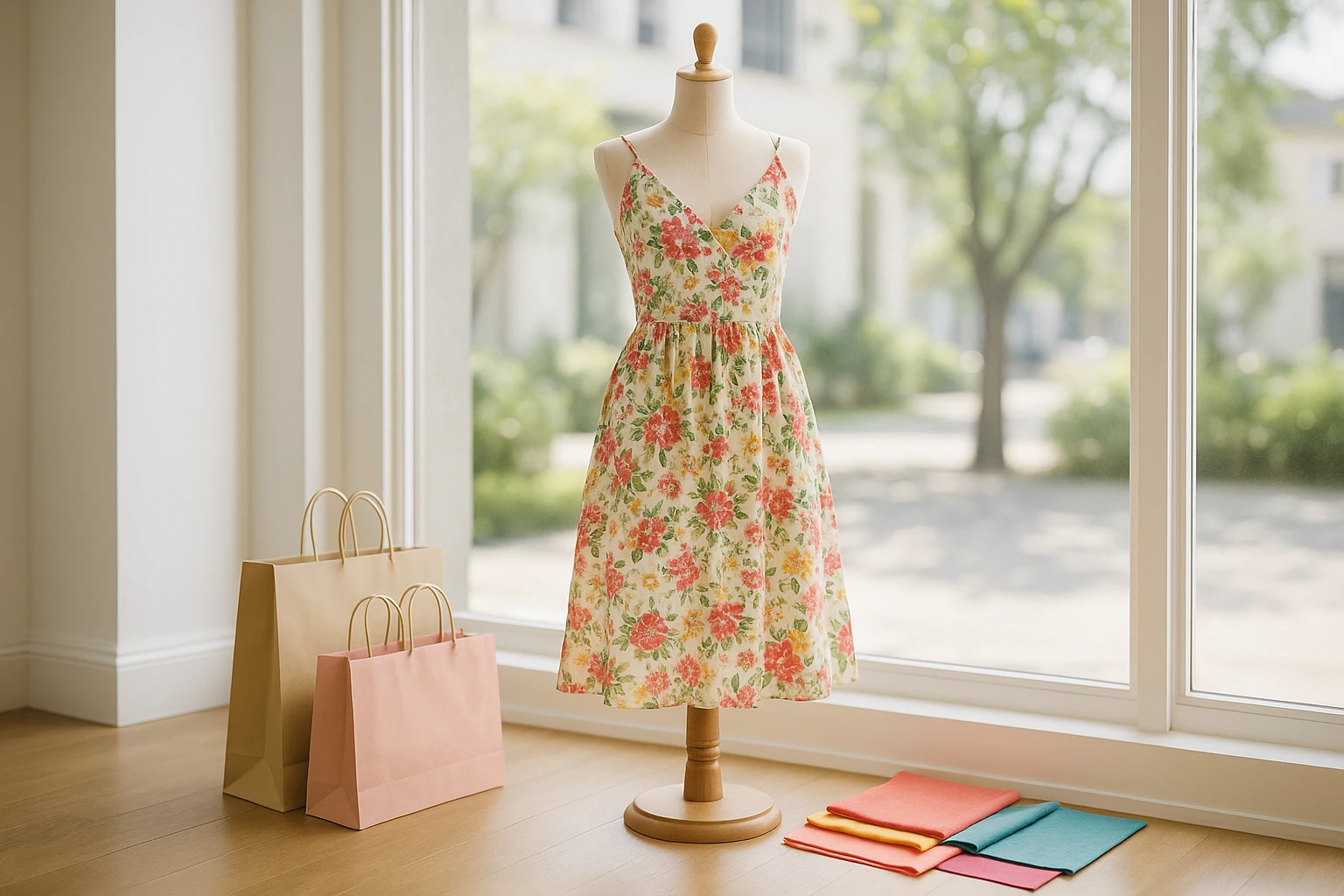
When exploring what should you look for in a user-friendly dress shopping website, intuitive user experience and seamless navigation are crucial. A study by the Nielsen Norman Group highlights how users feel frustrated when websites are difficult to navigate, which directly affects sales conversions. A well-structured website should have a clear and concise menu, allowing shoppers to find categories such as casual, formal, or accessories with ease. Filters are equally important, enabling users to sort products by size, color, price, or brand to quickly find what they need.
Responsive Design
In today's digital age, responsive design is not just a luxury—it's essential. According to Statista, almost half of the web traffic in 2023 originated from mobile devices (Statista). Websites must be mobile-friendly, offering the same ease of navigation on smartphones and tablets as on desktops. A site like dressmeupny exemplifies responsive design by adapting its interface smoothly across various device screens, ensuring a consistent shopping experience.
Speed and Performance
Speed is another non-negotiable factor in user-friendly web design. Studies by Google have shown that if a page takes more than three seconds to load, over half of visitors will abandon it (Think with Google). Hence, optimizing images, leveraging browser caching, and minimizing the use of heavy scripts are techniques that dress shopping sites should employ to enhance speed. Sites like dressmeupny optimize their platform to ensure swift loading times, giving them a competitive edge.
Interactive Features
Moreover, incorporating interactive features can significantly improve user engagement. For instance, providing 360-degree views of dresses or virtual try-on technology can enhance the shopping experience by allowing customers to see how dresses fit their body type before making a purchase. This not only reduces return rates but also boosts customer satisfaction. Features like customer reviews and ratings further enrich user interaction, helping shoppers make informed decisions. By prioritizing user-friendly design and features, dress shopping websites can significantly improve both user satisfaction and sales performance.
Payment Security and Privacy
When exploring what should be prioritized in a user-friendly dress shopping website, payment security and privacy are crucial aspects to consider. In today’s digital age, consumers are increasingly concerned about the safety of their personal information. A well-designed dress shopping platform should leverage secure payment gateways that protect users against fraud. Trusted services like PayPal, Stripe, and secure credit card processing provide enhanced safety. These gateways typically employ encryption methods that ensure customer data remains confidential. Additionally, websites should be transparent about their privacy policies, detailing how customer data is collected, used, and stored. By emphasizing security, a website can build trust and encourage more users to complete their purchases.
Customer Support and Service
Another important characteristic of a user-friendly dress shopping website is accessible and responsive customer support. The digital retail environment demands quick resolutions to potential issues buyers may encounter. Services like live chat, email, and phone support should be readily available to assist shoppers in real time. Some websites also employ AI-driven chatbots to provide instant answers to common questions about product availability, shipping, and return policies. Offering a comprehensive FAQ section can also empower customers to find answers independently, enhancing their overall shopping experience. According to Salesforce research, 78% of customers expect consistent interactions across departments, so seamless support is key to maintaining satisfaction.
Mobile Responsiveness
With the increasing reliance on smartphones for online shopping, a dress website’s mobile responsiveness significantly impacts user experience. The platform should be optimized to provide a smooth, intuitive browsing experience across various devices. This means images should load quickly, menus must be easy to navigate, and all features should be accessible on smaller screens. According to a study by Statista, over 50% of global web traffic comes from mobile devices, highlighting the necessity for mobile-friendly designs. A responsive design not only facilitates a pleasant shopping experience but also enhances SEO performance, making it easier for potential customers to find the website.
To create a competitive edge and ensure customer loyalty, it is imperative to integrate these elements effectively. Whether addressing privacy concerns or enhancing customer service, implementing these strategies can lead to a more satisfying and secure shopping experience. When discussing what should be prioritized in a user-friendly dress shopping website, it’s evident that attention to these critical areas plays a vital role in meeting and exceeding customer expectations.
Conclusion: Key Takeaways for Choosing a User-Friendly Dress Shopping Website
Navigating the world of online fashion requires a discerning eye and an understanding of what makes a website truly user-friendly. By focusing on critical elements such as intuitive navigation, comprehensive product information, and secure payment options, customers can enhance their shopping experience immensely.
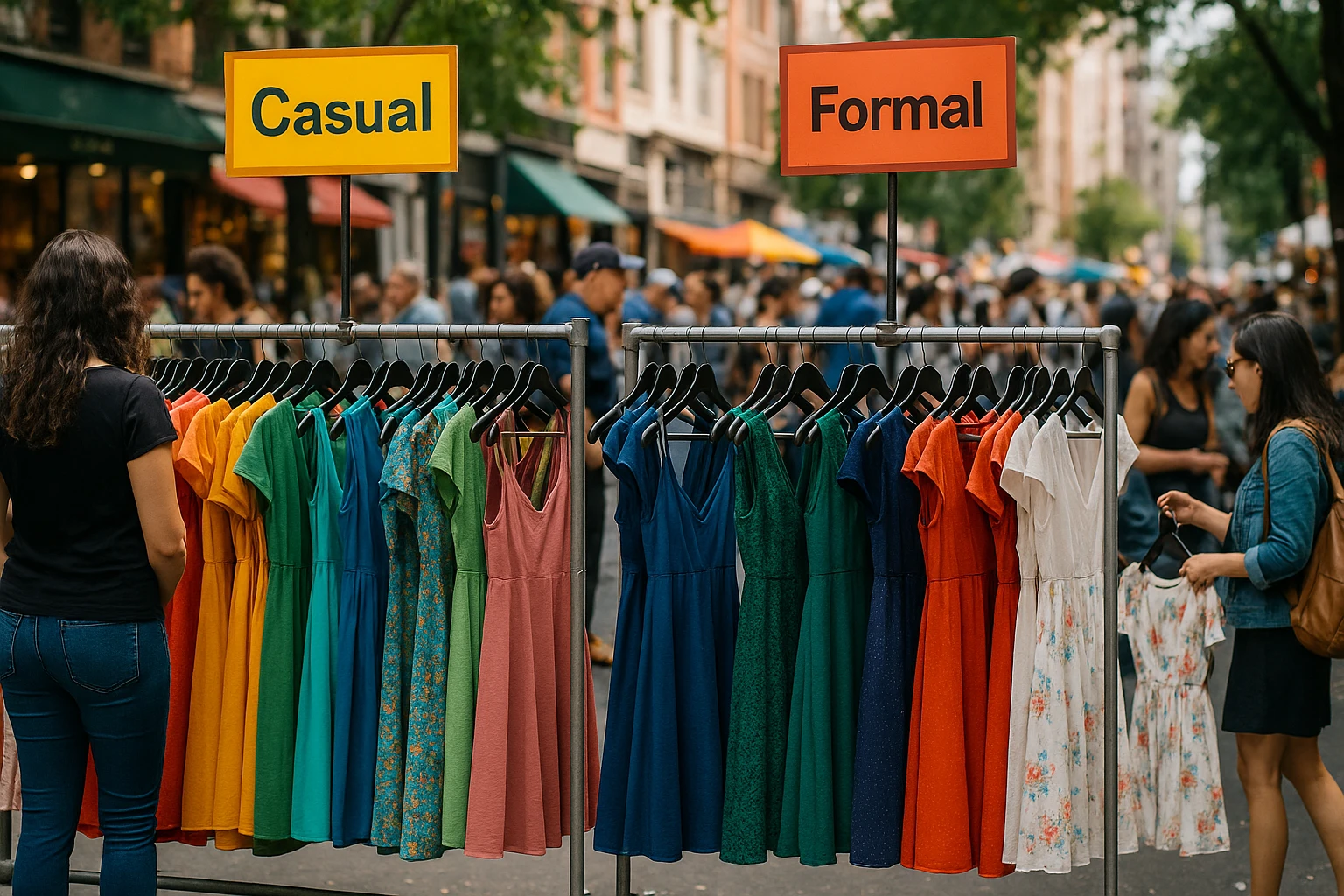
First and foremost, consider the website's navigation. A site that offers seamless browsing through categories, filters, and search functionality makes finding the perfect dress straightforward. For example, an effective website like dressmeupny excels in providing organized sections for various dress types, making shopping easier for the user. Such navigation ensures you spend less time searching and more time enjoying your purchase.
Moreover, detailed product descriptions and high-quality images are indispensable. They bridge the gap between virtual and real-world shopping by providing confidence in your selections. Look for websites that offer multiple images from different angles and comprehensive details about fabrics, sizes, and care instructions. According to a study by the Nielsen Norman Group, clear product information significantly improves the likelihood of purchase.
In addition, secure payment methods cannot be overlooked. A user-friendly platform will prioritize secure transactions by offering reliable payment gateways and highlighting security certifications. Considering recent trends reported by Statista, customers are more likely to complete purchases when they feel their payment data is protected, particularly on mobile devices.
Finally, a truly exceptional website will extend its user-friendly features to customer service and return policies. Easy access to customer support, whether through chat, email, or phone, resolves queries promptly and enhances the overall shopping experience. A generous return policy further eases any concerns about online shopping, allowing for a pleasant and risk-free transaction.
As you evaluate what should guide your choice of a user-friendly dress shopping website, making informed decisions ensures a satisfactory experience. Start by exploring options like dressmeupny for a promising and comprehensive service. By prioritizing these elements, your foray into online dress shopping can be both enjoyable and rewarding.