
Where to Discover Emerging Trends in Global Fashion: A Comprehensive Guide

Introduction: Discovering the Pulse of Global Fashion Innovation
Imagine being at the nexus of creativity where bold silhouettes, cultural storytelling, and technological advancement converge. That’s precisely the thrilling terrain where fashion professionals, students, and aficionados ask themselves questions like where can i learn about emerging trends in global fashion? The answer lies not in a single source, but in a carefully curated ecosystem of trusted platforms, events, and expert voices offering both depth and real-time insight.
Why the Quest Matters
In an industry shaped by rapid cultural shifts and sustainability imperatives, understanding trends isn’t just passive observation—it’s competitive intelligence. From Paris Fashion Week’s fusion of technical innovation and statement tailoring to Japan’s avant-garde minimalism, staying informed fuels creativity and strategic alignment. Tapping into reputable industry hubs and respected forecasts gives professionals the edge to anticipate mood, material, and movement before they cascade into mass fashion.
Where Insight Meets Action
The most effective learning sources combine authoritative reporting, data-backed analysis, and immersive experiences. For example, platforms like Vogue, Business of Fashion, and Heuritech publish data-driven trend forecasts—Heuritech, for instance, projects that suede fabric usage could grow by +17% and suede loafers by +30% for women from mid-2024 to 2025 Heuritech’s fashion forecast. Meanwhile, editorial coverage from outlets like ET Now Fashion paints vivid snapshots of cross-cultural fashion moments—highlighting everything from tech-wear and modular designs to the resurgence of vintage tailoring ET Now Fashion reportage.
Emerging designers and storytelling further enrich the landscape through real-world case studies. Fashion film festivals such as Fashion Film Festival Milano provide immersive narratives and creativity cross-pollination, while industry events like New York Fashion Week and India Runway Week spotlight both global giants and grassroots talent, giving insight into what’s shaping tomorrow’s style now details on Fashion Film Festival Milano, New York Fashion Week overview, information on India Runway Week.
In-depth exploration of these resources equips aspiring and established fashion professionals with actionable insight—from predicting the next “quiet luxury” wave to harnessing AI for personalization. In the upcoming sections, we’ll systematically unpack how to harness trend forecasting, leverage media channels, participate in global showcases, tap digital tools, and continuously evolve through learning.
Using Trend Forecasting to Anticipate Global Fashion Movements
Understanding where to learn about emerging trends in global fashion requires an appreciation for trend forecasting—a powerful tool that can guide fashion professionals in making informed decisions. Trend forecasting involves analyzing cultural shifts, consumer behaviors, and innovative materials to predict upcoming styles and preferences. This section explores how to effectively utilize this practice.
The process begins with researching influential trend forecasting agencies such as WGSN and TrendUnion. These organizations provide valuable insights and data-driven projections on color palettes, textile innovations, and market dynamics. For instance, WGSN’s forecast for 2024 emphasizes sustainability and technology integration, highlighting the rising importance of eco-friendly fabrics and digital fashion assets. Accessing such reports requires a subscription but offers unparalleled detail and credibility.
Attending industry conferences and seminars is another effective method for learning about global fashion trends. Events like the Première Vision in Paris or Fashion Tech Week in New York showcase expert panels and workshops where trend predictions are discussed. Participating in these gatherings not only expands a professional’s network but also exposes them to live demonstrations of future trends in textile technology and design innovation.
Case Studies: Successful Trend Adoption
Consider the case of Zara, a brand renowned for its rapid adaptation to fashion trends. By closely monitoring trend forecasts and using advanced data analytics, Zara ensures its collections reflect the latest consumer demands. This strategic application of forecasting allows them to swiftly transition from runway inspiration to retail-ready designs, setting a benchmark for fast-fashion agility.
Moreover, trend forecasting is not limited to major brands. Emerging designers can leverage platforms like Not Just A Label to explore avant-garde concepts and reach a broader audience. This platform curates innovative designs and serves as a hub for discovering cutting-edge fashion narratives, demonstrating how small-scale creatives can tap into trend movements.
Integrating trend forecasting into business strategy entails maintaining flexibility and a proactive mindset. Regularly updating trend knowledge through subscriptions, workshops, and collaborative projects ensures designers and brands remain at the forefront of fashion evolution. The synergy between forecast insights and creative intuition facilitates not only survival but also thriving in the competitive fashion landscape.
Understanding the significance of trend forecasting answers critical questions like where can I learn about emerging trends in global fashion? By synthesizing data, connecting with industry experts, and participating in thought leadership forums, fashion professionals can predict and influence the future of global fashion.
Fashion Weeks and Trade Shows
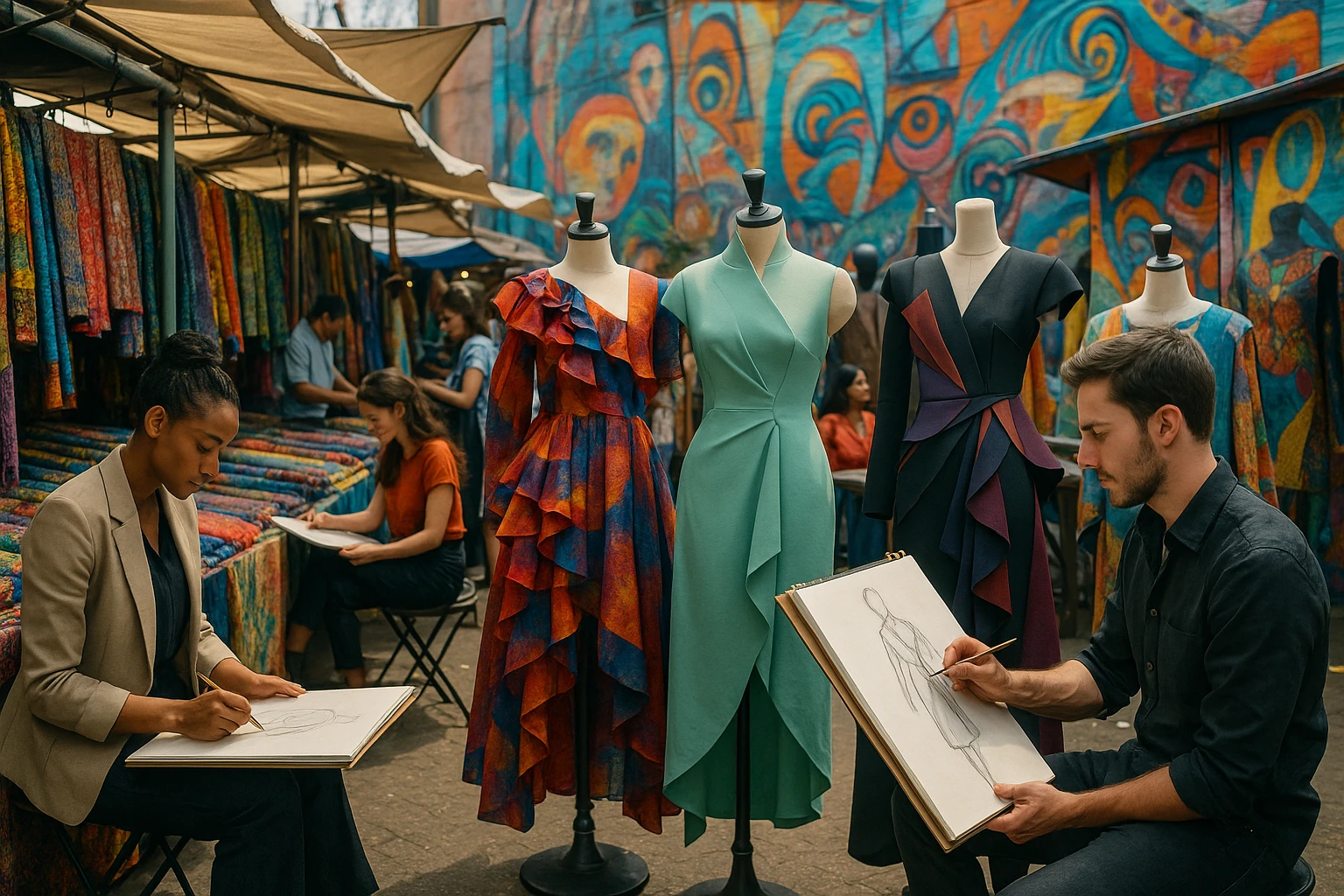
The fashion week circuit serves as a cornerstone for professionals keen on where can I learn about emerging trends in global fashion. Events like Paris Fashion Week, Milan Fashion Week, and New York Fashion Week showcase the upcoming trends and set the stage for the following season's styles. Attending such events offers firsthand exposure to the visions of leading designers and emerging talents. These gatherings provide invaluable networking opportunities and a chance to see how global influences are shaping fashion narratives.
Furthermore, fashion trade shows such as Pitti Uomo in Florence are indispensable for those serious about staying ahead in the industry. According to Pitti Immagine, the event hosts over 1,200 brands from across the globe, each showcasing their latest collections. These platforms not only highlight emerging trends but also facilitate business negotiations and collaborations, making them essential for industry insiders.
Virtual Fashion Events
In recent years, virtual fashion events have surged in popularity, offering accessibility to a broader audience. They allow individuals to witness fashion shows, panel discussions, and workshops without geographical constraints. The Copenhagen Fashion Week, for instance, has embraced this digital shift, emphasizing sustainability alongside style. Participants can explore these events from the comfort of their homes, gaining insights into emerging trends and sustainable practices.
Utilizing Specialized Platforms
For ongoing updates and insights, many professionals turn to specialized online platforms. Resources like WGSN provide detailed trend analysis and forecasts. These platforms offer comprehensive reports on market insights, consumer behavior, and digital innovation, helping brands and designers remain competitive. They are crucial for understanding broader economic and cultural movements, which in turn affect fashion trends globally.
Additionally, many professionals use platforms like dressmeupny to streamline their workflow and connect with key trendsetters. By leveraging these platforms, fashion enthusiasts and professionals can stay informed and adaptable in a rapidly evolving landscape.
Keeping Ahead: Professional Trend Forecasting Platforms & Industry Events
Building on the grassroots and digital platforms highlighted earlier, emerging professionals and brands frequently ask where they can learn about emerging trends in global fashion? One indispensable resource is dedicated forecasting platforms that blend expert insight with data-driven intelligence. For instance, WGSN offers AI-enhanced trend forecasting services, providing highly accurate predictions—boasting over 90% forecasting accuracy—on colors, materials, consumer behaviors, and upcoming seasonal directions. Their curated reports and design tools help designers and marketers align collections with emerging market preferences across global regions WGSN Trend Forecasting & Analytics wgsn.com.
Another professional-grade option is F-Trend, which specializes in AI-driven trend mapping. Users can analyze runway imagery in real time, track Pantone color accuracy, silhouettes, and pattern variations, and even evaluate design viability before production. With insights spanning two-plus years ahead and tailored to multiple regions, this platform equips brands to act decisively based on reliable runway data F‑Trend f-trend.com.
In addition to forecasting services, industry events like fashion weeks offer first-hand insights into what’s next. Events such as Tokyo Fashion Week, recognized for its avant-garde and streetwear focus, deliver real-time exposure to emerging aesthetics from Asia to the world stage. Its position among the "Big Five" global fashion weeks underlines its relevance to trendspotters everywhere Tokyo Fashion Week en.wikipedia.org. Similarly, rapidly growing platforms like Taipei Fashion Week emphasize sustainability and cultural storytelling while showcasing emerging Taiwanese designers, drawing increasing attention from global buyers and press Taipei Fashion Week en.wikipedia.org.
Connecting to the creative innovation ecosystem, International Talent Support (ITS) serves as an invaluable hub for understanding future-forward design thinking. Through its “Seismographer” trends report and a digital archive showcasing thousands of designs from global emerging talents, ITS surfaces forward-looking ideas grounded in artistic exploration and global cultural shifts International Talent Support en.wikipedia.org.
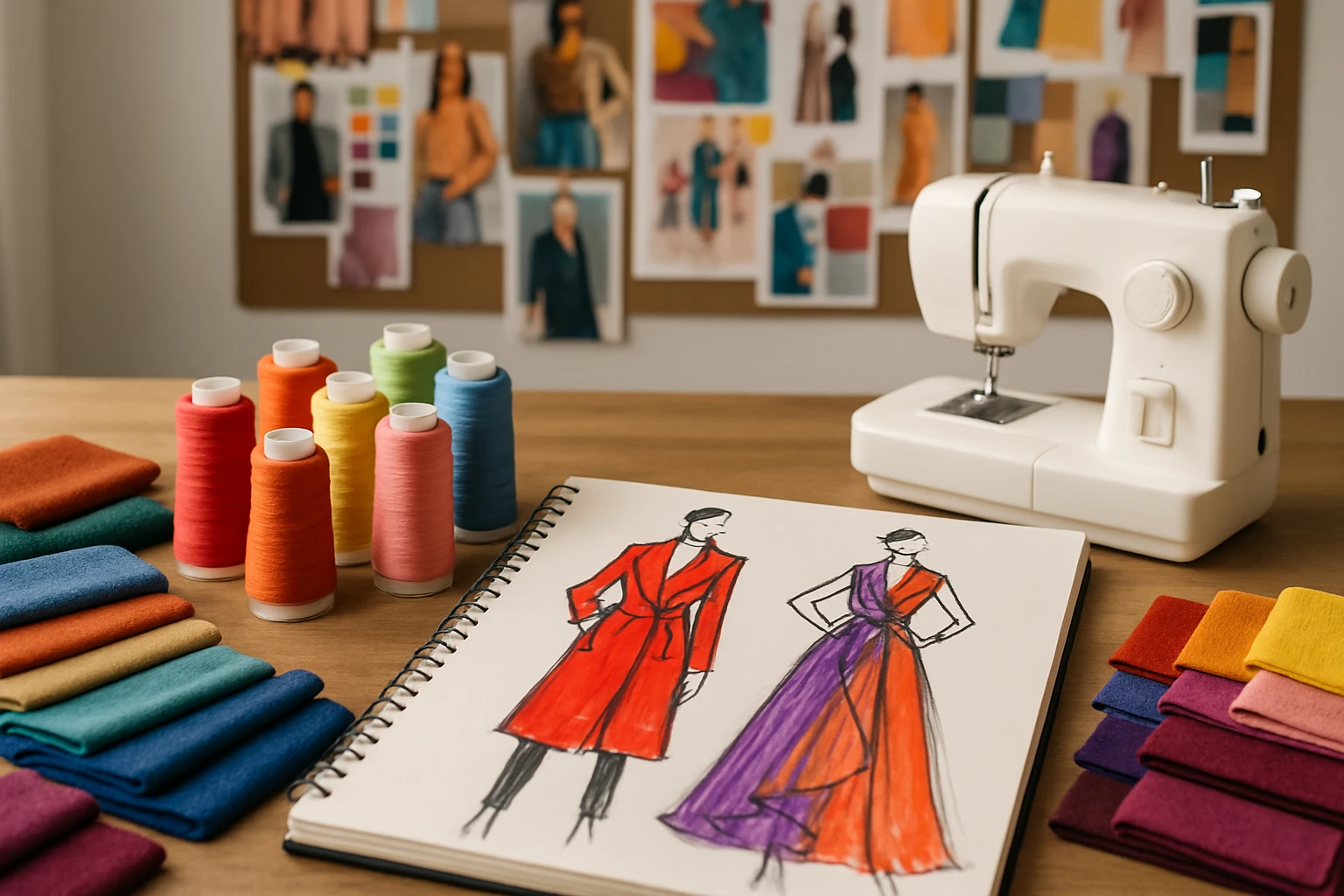
To translate these insights into practice, trend forecasts can be used to guide collection development, DIY mood boards, or strategic buying calendars. Combining the macro-level direction from WGSN or F‑Trend with the raw creativity seen at events such as Tokyo or Taipei Fashion Week—and amplified by ITS’s avant-garde visions—enables a layered and actionable understanding of what’s coming next. This blended approach helps professionals and creative enthusiasts alike stay ahead of the curve with informed precision and artistic nuance.
Conclusion: Navigating the Future of Global Fashion
Emerging trends in global fashion are constantly evolving, making it crucial for fashion enthusiasts and professionals to stay informed. By leveraging a variety of resources—such as attending industry events, subscribing to leading publications, and engaging with online platforms—the industry becomes more accessible and innovative. Knowing where can I learn about emerging trends in global fashion empowers you to not only appreciate current styles but also anticipate future shifts.
One actionable step is to consistently follow industry leaders and trendsetters on social media. Platforms like Instagram and LinkedIn are bustling with insights shared by top designers and fashion influencers. According to a recent survey by FashionUnited, 80% of fashion professionals use social media as a primary source for trend updates (FashionUnited).
Additionally, investing time in reputable online courses and workshops can significantly enhance your understanding. Websites like Coursera and MasterClass offer courses by renowned designers, providing a structured way to learn about the global fashion landscape. This educational approach ensures a thorough grasp of how trends develop and the driving forces behind them.
For those ready to delve into the commercial side of fashion, exploring business-oriented strategies is key. Keeping abreast of consumer behavior reports and market analysis is vital. According to a 2023 McKinsey report, the ability to predict consumer demands can sharply boost a brand’s competitive edge (McKinsey).
Lastly, as you navigate this exciting terrain, consider utilizing dressmeupny as a resource. This platform offers comprehensive support and insights into the world of fashion, tailored to your evolving needs. It's an excellent starting point for anyone looking to immerse themselves in emerging trends while gaining practical, industry-relevant skills.
Staying informed about emerging trends in global fashion requires active engagement and curiosity. By strategically leveraging these insights and resources, you will not only enhance your fashion acumen but also position yourself at the forefront of innovation. Embrace these opportunities and discover the vibrant future of fashion.