
Plus-Size Formal Dresses: How to Choose, Measure and Order Online
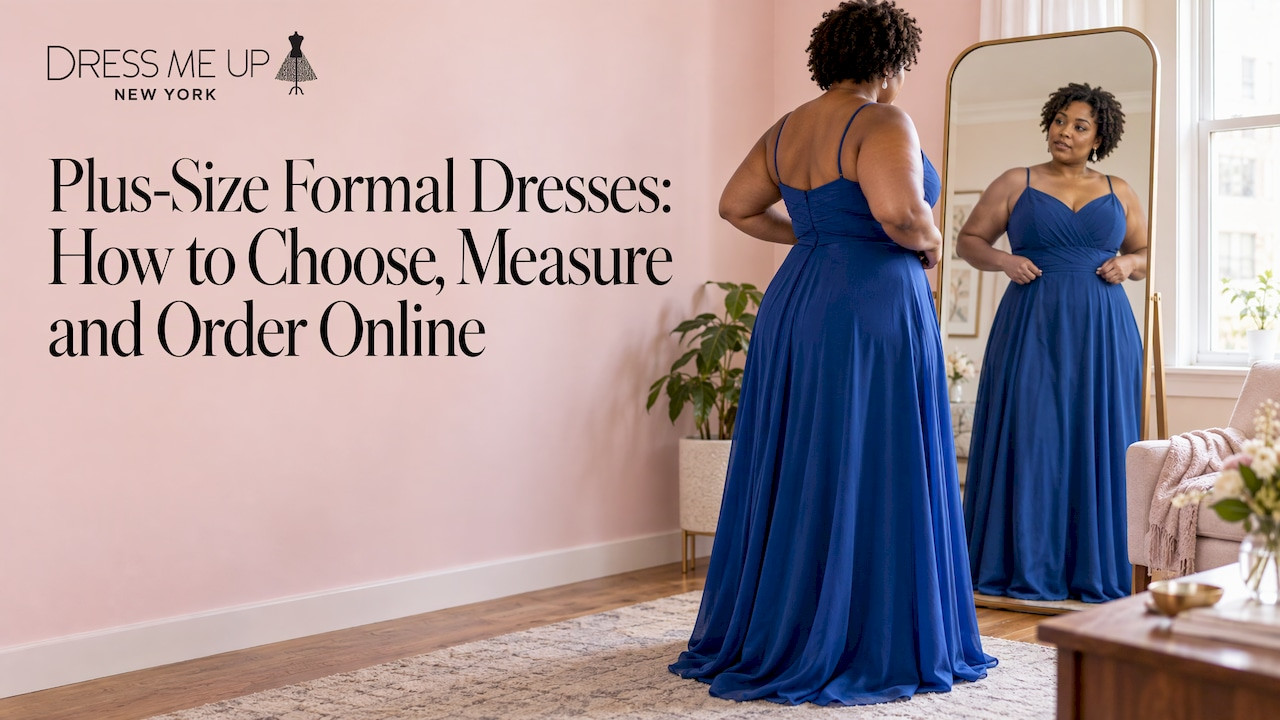
Plus-Size Formal Dresses: How to Choose, Measure and Order Online

The best plus-size formal dress is the one that fits the dress code, fits your body as it is today, and lets you sit, walk and dance without a second thought. Whether you’re shopping for a wedding, a gala, a prom or a formal dinner, the steps are the same: decide how formal the event is, pick a length and silhouette that make you feel great, measure yourself properly, and check the fabric and return details before you buy. We’ll walk you through each one.
TL;DR
- Let the invitation set the formality first. Black tie points to floor-length gowns, while semi-formal opens the door to cocktail dresses and tailored jumpsuits.
- Comfort matters as much as style. Look for structured bodices, quality linings and smooth draping, and make sure you can move, sit and dance.
- Measure bust, waist and hips yourself and compare them with the size chart on each product page, not with the size you usually wear.
- If you land between sizes, fit your broadest measurement and plan for a tailor to take in the rest.
- Before checkout, read the return terms, fabric content and care label so there are no surprises.
Table of Contents
- Start with the dress code, not the dress
- Long, midi or cocktail: how length changes the message
- Silhouettes, fabrics and details that make a dress comfortable
- Measure first, then choose your size
- Which formal dresses to look at for your event
- Our perspective: fit is the new fancy
- Ready to find yours?
- Before you buy: alterations, returns and care
- FAQ
- Sources
Start with the dress code, not the dress
It’s tempting to scroll until something jumps out. We’d gently suggest going the other way around. Read the invitation first, because the event decides how dressy you need to be. Vogue’s guide to formal attire makes the same point: the invitation and the context of the event should drive the dress code, with semi-formal allowing more flexibility and black tie calling for a more elevated look.
Here’s a quick way to translate the common dress codes:
- Black tie: think floor-length gowns in rich fabrics. This is the easiest place to start for galas, formal weddings and many proms.
- Black tie optional: a gown is still the safest bet, but a refined cocktail dress or an elegant jumpsuit can work too.
- Formal or evening: long dresses and polished midi lengths in elevated fabrics are the sweet spot.
- Semi-formal or cocktail: a step down from black tie, with room for cocktail dresses, tailored jumpsuits and elegant separates.
Not sure which one applies? Look at the venue, the time of day and the hosts. An evening ceremony at a ballroom leans more formal than an afternoon garden reception. When it’s still unclear, ask the host or another guest. Nobody minds that question, and it saves you from guessing.
Long, midi or cocktail: how length changes the message
Length is the quickest signal of how formal your outfit is. According to Vogue, formal attire for women generally means dresses well below the knee, sometimes all the way to the floor or ankle, while semi-formal usually allows cocktail dresses with hemlines between just below the knee and above the ankle.
| Length | Best for | Good to know |
|---|---|---|
| Floor-length gown | Black tie, galas, formal weddings, prom, Quinceañera | The most traditional choice for formal events, and the safest if you’re unsure |
| Formal midi or tea-length | Formal dinners, semi-formal weddings, black tie optional with a refined design | Works best in elevated fabrics with a polished finish |
| Cocktail dress | Semi-formal events, rehearsal dinners, holiday parties | Hemline typically sits between just below the knee and above the ankle |
| Tailored jumpsuit | Semi-formal and some black tie optional events | Choose a dressy fabric and a clean, structured cut |
A few practical notes from our side. If you’re tall or wearing heels, check the length listed on the product page, not just the size name. Floor-length gowns look best when the hem skims the top of your shoes, so decide on footwear early. Midi lengths can be wonderfully flattering, but where the hem lands on your calf matters, so look at how it falls on a model whose height is listed and compare that with your own.
If you want to browse by length, our formal gowns are the natural starting point for black tie, and our cocktail and party dresses cover midi, mini and jumpsuit styles for semi-formal events.
Silhouettes, fabrics and details that make a dress comfortable
A formal dress should look good in the mirror and feel good three hours into the night. Stylists quoted by Who What Wear in their plus-size formal dress roundup say fit and the ability to move, sit and dance matter more than a pretty design alone. They point to structured bodices, quality linings and smooth draping as the details to look for.
Here’s how to read those details when you shop online.
Silhouettes
- A-line: fitted through the bodice and gently flared from the waist. It moves easily and suits most events.
- Empire: a defined line just under the bust with a flowing skirt. It’s comfortable for long evenings and great for dancing.
- Wrap or faux-wrap: adjustable at the waist, which makes fit more forgiving if your measurements fall between sizes.
- Fit and flare or mermaid: more shaping through the body, so measurements matter even more here.
- Column or sheath: a sleek, narrow line that works best in fabrics with some structure and a good lining.
There’s no single “right” shape. The helpful question is which feature you’d like to show off: shoulders, waist, arms, back or neckline. Then pick a silhouette that points the eye there.
Fabrics
Fabric changes both how a dress hangs and how it feels over a long event. Heavier fabrics such as satin, velvet and structured crepe give a polished, sculpted finish, while lighter ones such as chiffon add softness and movement. Here’s how we’d think about it:
- Satin and crepe: smooth and elegant, great for black tie. A good lining keeps them from clinging.
- Chiffon: airy and graceful, lovely for wedding guest dresses and bridesmaid looks. Look for layered skirts so the fabric floats instead of clinging.
- Velvet: rich and warm, a natural fit for cooler-weather evening events.
- Lace and sequins: statement fabrics. Check that the inside is lined or finished so nothing scratches when you move.
Construction details
These are small, but they make a big difference over an evening:
- Structured bodice or built-in support: helps the dress stay put so you’re not tugging at it all night.
- Lining: a quality lining gives a smooth line and makes the dress more comfortable against your skin.
- Straps and sleeves: wider straps or sleeves can feel more secure. If you plan to hug a lot of people at a wedding, test the range of movement in the arms.
- Zipper and closures: a hidden zipper is clean and classic. A corset-style back adds adjustability.
- Pockets: not always available, but a lovely bonus for a phone and lipstick.
Fashion writers also stress that practical fit is what makes a dress look elegant. A technically perfect gown looks less polished if you’re constantly adjusting straps or pulling up the bodice. So if a dress passes the sit, reach and twirl test at home, you’re in good shape.
Measure first, then choose your size
Sizing varies from one designer to another, so your usual size is a starting point, not the answer. A tape measure takes the guesswork out. Here’s the short version:
- Bust: measure around the fullest part of your chest, keeping the tape level across your back.
- Waist: measure around the narrowest part of your torso, usually a little above your navel.
- Hips: measure around the fullest part of your hips and seat.
- Height and hollow-to-hem: useful for long gowns. Measure from the base of your neck to the floor while wearing the shoes you plan to wear.
Wear thin clothing or underlayers that match what you’ll wear under the dress, stand naturally, and keep the tape snug but not tight. Ask a friend to help if you can, since it’s hard to keep the tape level on your own.
We’ve put together step-by-step guides so you don’t need to piece it together from scratch. Start with how to measure yourself for dresses, and look at the common measurement mistakes to avoid before you pick up the tape. If you want more detail about the tools and the key points on your body, our formal fit measuring guide covers both. For plus-size formalwear in particular, Fit First shows how bust, waist and hip numbers translate into a confident choice, and how to find your dress size for formal events takes you from numbers to a size step by step.
What if you’re between sizes?
This happens all the time, especially because bust, waist and hips rarely land in the same size column. The usual stylist advice is simple: buy for your broadest measurement, then have a tailor take in the rest. It’s much easier to take fabric in than to let it out, and a small alteration can make a dress look custom-made. Fitted bodices and lace styles are the ones where you’ll most often want that extra room.

Also check the size chart on the individual product page. Charts can differ between styles, and the dress you love might run differently from the last one you bought.
Which formal dresses to look at for your event
The right category depends on the occasion. Here’s a quick guide to where to look.
Wedding guest and bridesmaid
Weddings run from relaxed afternoon ceremonies to full black tie evenings. Check the invitation, then choose a length and fabric to match. Chiffon and softer satins are popular for guests, while bridesmaids often coordinate with a color palette the couple picks. Our wedding guest and bridesmaid dresses are organized so you can narrow down quickly by style.
One small etiquette note: it’s best to steer clear of white or ivory unless the couple has asked for it.
Black tie galas and formal dinners
This is where floor-length gowns shine. Rich colors such as navy, emerald and burgundy look beautiful in satin, velvet or crepe. Keep accessories simple if the dress has beading or embellishment, and let one element, like a statement earring or a clutch, do the talking.
Prom and Quinceañera
These are milestone nights, and the dress often has to survive hours of photos, dancing and hugging. Prioritize a secure bodice, a hem you won’t trip on and fabric you can breathe in. For Quinceañera, look at our Quinceañera dresses, which cover the full-skirt, dramatic looks the day often calls for.
Cocktail parties and semi-formal events
Cocktail dresses, jumpsuits and dressy separates fit here. Think midi and knee-to-calf lengths, polished fabrics and one or two statement details. Browse designer jumpsuits, mini dresses and cocktail styles to see how they compare.
Dressing for comfort at any age
If you want a dress that stays comfortable through a long evening, our guide to formal dresses for women over 50 covers how to stay at ease for four to five hours. And for a broader overview of plus-size formal styles and fit, see our plus formal dresses style and fit guide.
Our perspective: fit is the new fancy
We’ve seen it again and again: the dress that gets the most compliments isn’t always the most dramatic one. It’s the one that fits well and lets the wearer forget about it. When you’re not tugging at a strap or checking a neckline, you look relaxed, and that’s what reads as elegant.
That’s why we organize our catalog by event, designer and style. Start with the occasion, narrow by length and silhouette, and you’ll quickly see the dresses that make sense for your night. Our collections are curated from New York’s fashion district and global designers, so there’s a wide range of looks to explore, from sleek evening gowns to playful cocktail dresses.
Our team is made up of fashion professionals who love helping people find their dress. If you’re unsure about a length, a color or how a style should fit, ask. We’d much rather help you feel sure before you order than have you guess.
Most of all, we believe you deserve to walk into the room feeling like yourself, only a little more sparkly. Measure carefully, choose what makes you happy, and enjoy the moment.
Dressmeup
Ready to find yours?
Once you know the dress code, the length and the numbers on your tape measure, the fun part begins. Our evening dresses and formal gowns are organized by event, so you can go from “I need something for a gala” to a shortlist of options quickly.
We also offer gift certificates, which are handy if you’d like someone else to pick their own look. Browse the categories, keep your measurements on hand, and compare them with the size chart on each product page. If you have a question along the way, our team is ready to help.
Before you buy: alterations, returns and care
Formal dresses are an investment, so a few minutes of checking now saves stress later. We’d suggest running through this list before checkout.
Alterations
- Hemming: floor-length dresses often need a hem adjusted for your height and shoes. Bring the shoes to your fitting.
- Taking in: if you sized up to fit your broadest measurement, ask a tailor about the bodice, waist and straps.
- Beaded or lace dresses: these can be more delicate to alter, so look for a tailor with experience in formalwear.
- Timing: book your tailor as soon as the dress arrives. Popular dates such as prom and wedding season fill up fast.
Returns and exchanges
- Read the return and exchange terms on the site before you order, including how long you have and what condition the dress must be in.
- Try the dress on indoors, on a clean surface, with tags attached, until you’re sure you’re keeping it.
- Take note of whether shipping is free on your order and who pays for return shipping.
- Order early. A buffer of a few weeks before your event leaves room for an exchange or alterations.
Fabric and care
- Check the fabric content on the product page and the care label when it arrives.
- Satin, velvet, beaded and lace dresses often call for dry cleaning or gentle handling, so follow what the label says.
- Store your dress on a padded hanger in a breathable garment bag, away from direct sunlight.
- Steam instead of ironing directly over embellishments or delicate fabrics, and follow the label’s guidance.
A simple fitting-day routine
When your dress arrives, try it on with the shoes, undergarments and jewelry you plan to wear. Then do a quick test: sit down, raise your arms, walk up a few steps and take a few dance-floor spins. If anything pinches, gapes or slips, you’ll know while there’s still time to fix it.
FAQ
What is the most flattering formal dress for a plus-size woman?
There’s no single answer, because it depends on your shape and the features you like most. A-line and empire silhouettes with a structured bodice and a quality lining are reliable starting points. Choose the cut that lets you move comfortably and highlights what you love.
Can I wear a midi or cocktail dress to a formal event?
It depends on the dress code. Black tie generally calls for floor-length gowns, while semi-formal events usually welcome cocktail dresses and tailored jumpsuits. If the invitation says black tie optional, a refined cocktail dress can work, but a gown remains the safest and most traditional choice.
What should I do if I’m between sizes?
Measure your bust, waist and hips and compare them with the size chart on the product page. Choose the size that fits your broadest measurement, then have a tailor adjust the rest. It’s easier to take a dress in than to let it out.
How far ahead should I order a formal dress online?
As early as you can. Leaving a few weeks before your event gives you time to try the dress on, arrange alterations and exchange if you need a different size. Check the product page and the return terms for details.
Sources
Recommended
- Fit First: Measure Bust, Waist, Hips for Plus Size Formal Wear
- 3 Measurements That Guarantee Plus Size Formal Fit at Dress Me Up NY
- Elegant Plus Size Formalwear: 6 Silhouettes for Prom, Weddings & Galas
- Women’s Plus Formal Dresses: Style & Fit Guide 2026