
Formal Gown Alterations Near Me: Local Shops and 5 Fitting Essentials
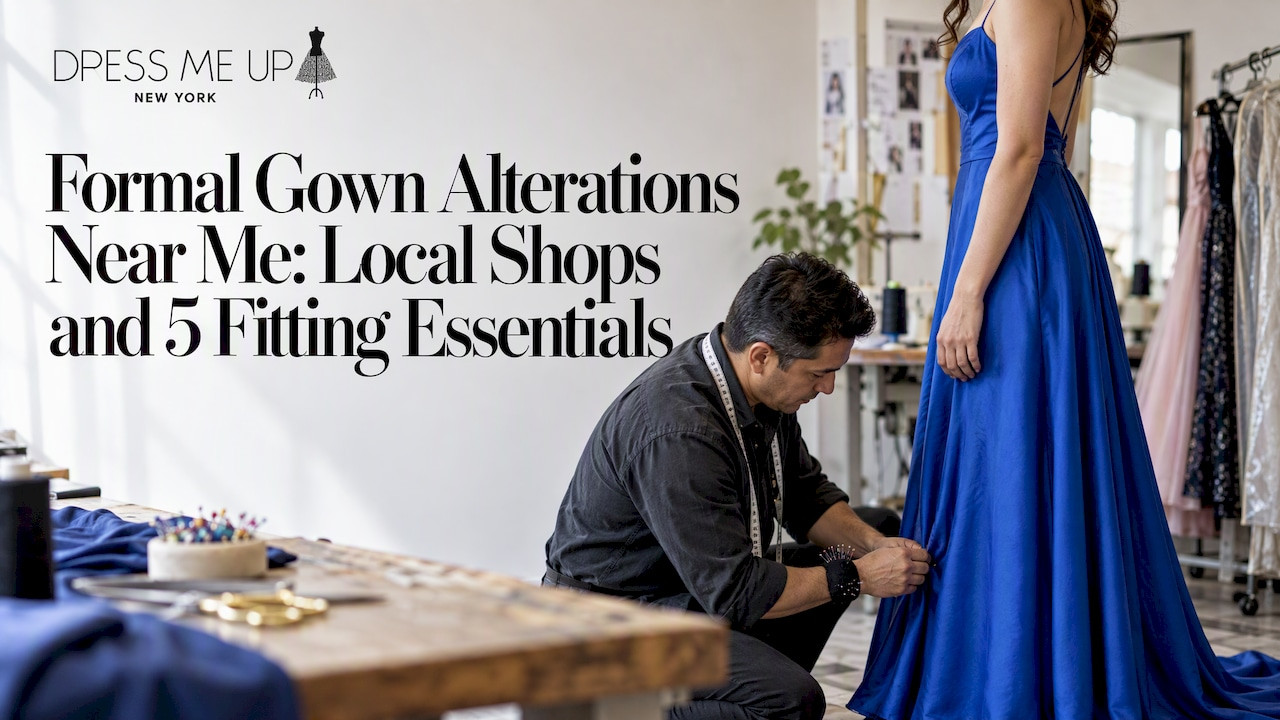
Formal Gown Alterations Near Me: Local Shops and 5 Fitting Essentials

Start with the nearby tailors who handle formalwear every week, such as Tang’s Bridal, BeFitted Tailoring, Fitted Stitches and Santa Monica Tailor by Bello, and book your first fitting now. Bring the shoes, undergarments and accessories you will wear, because they change how a gown hangs. Beading, lining and layers add time and cost.
TL;DR:
- Choose Tang’s Bridal or Fitted Stitches for beaded or layered gowns, Alter My Dress for reconstruction, and Giovanni’s Garment Care for cleaning and alterations.
- Book most formal gown fittings 3–4 weeks before the event; bridal work may need 8–10 or more weeks, while simple hems take 1–2 weeks.
- Fitted Stitches lists formalwear and prom work at $175–$300 and wedding gowns at $600–$850; treat those figures as ballpark prices, not guaranteed quotes.
- Plan for at least two fittings: the first checks pinning and movement, while later visits refine fit; seam allowance and boning limit alterations.
Table of Contents
- Which local gown alteration shops should you contact first?
- What should you bring to your first fitting?
- How long does it take and what will it cost?
- How do you choose the right tailor?
- Why does in-person evaluation matter?
- What do customer reviews tell you about local alteration services?
- How should you prepare your gown before alteration?
- When should you book, and what do we recommend?
- Looking for a gown that is easier to fit?
- FAQ
- Sources
Which local gown alteration shops should you contact first?
Not every shop does the same work. A quick hem is a different job from rebuilding a beaded bodice, so match the provider to your gown. Here is how the names above and a few others we looked at compare.
Ranges and policies come from Fitted Stitches’ published policies. Other shops on our list include Alter My Dress, Zarif Custom Tailors, Giovanni’s Garment Care, DG Alteration, Kim’s Tailoring and Cleaners Inc, and Alterations at Nordstrom. Where we show “not publicly listed,” call and ask.
A few quick selection tips:
- Rush work: Stitch & Steam offers express tiers, and some shops add a surcharge for faster turnaround.
- Heavy beading or bridal: Tang’s Bridal and Fitted Stitches fit best, since both work with embellished and layered gowns.
- Couture restyling: Alter My Dress focuses on high-touch changes and reconstruction.
- Combined cleaning and alterations: Giovanni’s Garment Care covers both under one roof.
What should you bring to your first fitting?
A good first fitting is mostly preparation. Walk in with the right items and the tailor can pin everything correctly on the first visit instead of guessing.
- Bring the gown itself, steamed or pressed if you can.
- Bring your event shoes, or a pair with the same heel height, since hem length depends on them.
- Wear the undergarments or shapewear you plan to wear on the night. Our guide to formal dress undergarments can help you choose.
- Pack anything that changes the silhouette: a belt, petticoat, jewelry or wrap.
- Expect to stand, walk and sit in the pinned gown. Fittings should include movement checks.
The sequence usually runs in three steps. The first fitting is for pinning and movement checks. Later fittings allow for refinements and final finishing. Seam allowance, beading and boning set limits on what a tailor can do, so a gown with generous seams has more room to move.
Pro Tip: Take a photo of yourself in the gown from the back after pinning, so you can spot pulling or gaping before the tailor starts sewing.
How long does it take and what will it cost?
Plan around the busiest part of the process: lead time. Representative timelines across studios look like this:
- Simple cocktail hems: about 1–2 weeks.
- Prom and structured gowns: about 2–4 weeks, with bridesmaid and mother-of gowns at 2–3 weeks.
- Heavy beading or bridal work: 3–4 weeks or longer, and bridal work can stretch to 8–10+ weeks.
For planning, our own guidance is to schedule formal wear alterations 4–6 weeks ahead. If your event is closer, our note on evening dress alterations 1–3 weeks out covers what is realistic.
One published studio lists wedding gown alterations at $600–$850 and formalwear or prom alterations at $175–$300 (Fitted Stitches). Treat those as a ballpark, not a quote, since your gown decides the real number.
What pushes a price up:
- Beading or sequins that must be removed and reapplied
- Lining and multiple layers
- Bodice reshaping or added boning
- Rush surcharges
Ask about deposits too.
How do you choose the right tailor?
You can learn a lot in a quick call. Ask these questions:
- Have you worked with my fabric, such as chiffon, satin, tulle or lace?
- Can I see photos of formalwear you have finished?
- How long will my gown take, and when should I book?
- Will you give me an itemized estimate once you see the gown?
Trust signals matter. Look for a clear bridal or formalwear specialty, published appointment and turnaround policies, itemized pricing and portfolio photos. Specialists often handle far more than hemming, including bodice shaping, boning, bust adjustments and trains, so confirm that your gown’s construction is familiar to them.
Red flags are just as useful:
- A firm price quoted sight unseen
- No willingness to schedule more than one fitting
- No deposit or policy information at all
To build your own shortlist, search maps and directories for “formal gown alterations” with your city or postal code, then check hours, specialties and recent reviews before you travel.
Why does in-person evaluation matter?
A photo cannot show seam allowance, internal structure or how a fabric will respond once it is cut and pinned. A tailor’s ability to alter a gown depends on those construction details, which is why an in-person look beats any quote based on a size label.
Fittings are also where problems show up. Pinning and walking in the gown reveals tripping hazards, pulling at the bust or a hem that is a little too long. Studio guidance commonly describes two to three fittings, with formal gowns often needing at least two. Reserve time for refinement instead of expecting one instant fix.

What do customer reviews tell you about local alteration services?
Reviews are a good starting point, but read them with a purpose. Skip the star rating at first and look for comments that mention your kind of job: a beaded bodice, a layered prom skirt, a last-minute hem.
Look for these patterns:
- Recurring praise for the same thing. If several reviewers mention clean hems on chiffon, that is a real strength.
- Mentions of timelines. Reviewers who say the gown was ready on the promised date tell you more than those who say “great service.”
- How problems were handled. A shop that reworks a hem without argument is one you can trust on a tight schedule.
- Recent dates. A recent review may better reflect the current team and pricing.
We have not found an independent source that lets us rank these shops by customer satisfaction, so we do not. Use reviews to confirm a shop’s specialty, then check it against what the tailor tells you in person. Ask to see finished work, and if a tailor shares photos of past formalwear, that is a stronger signal than any rating.
How should you prepare your gown before alteration?
Show up with a gown the tailor can pin cleanly. Condition matters, because a wrinkled or stained gown hides problems the tailor needs to see.
- Press or steam it gently. Use a low setting and a pressing cloth, and skip the iron entirely on beaded areas and delicate synthetics.
- Check for stains first. If the gown needs cleaning, do it before alterations, not after, so the tailor works on the final fabric. Giovanni’s Garment Care and several of the cleaners we mention combine cleaning and alterations.
- Note existing damage. Point out loose beads, snags, a sticky zipper or a worn hem so they are fixed in the same visit.
- Leave the tags and packaging off. Remove anything that hides seams, but keep any care label for the tailor.
- Bring your own measurements of change. If you have lost or gained weight since buying, mention it up front.
Beading and sequins often must be removed before alteration and reapplied afterward. That adds time and cost, so ask about it at the first fitting. If you are doing hair and makeup the same day, book that around your final fitting too, and a mobile service like VÉLOURA’s on-location glam keeps your day running smoothly.
When should you book, and what do we recommend?
Our practical advice is to book your first fitting 3–4 weeks before most formal events, and earlier for bridal pieces. Tight timelines cost more, and rush fees stack up fast.
The best way to shorten your alteration list is to buy a gown that fits well from the start. Read our guide to evening gown alterations and our undergarment tips before you shop, since the right foundation often saves a fitting. If you are unsure about sizing, contact our customer service team before you order and we will help you think through fit.
— Dressmeup
Looking for a gown that is easier to fit?
If you still need a dress, we carry formal wear that is organized by event, designer and style, so you can find a silhouette that suits your timeline. Browse what we have:
- Formal Gowns for galas, black-tie events and weddings
- Evening Dresses for a wider range of looks and lengths
- Our fit and alterations guides on the blog
Our team is here to answer fit questions before you buy. Start with a gown you love, then book your fitting.
FAQ
How early should I book a gown alteration?
Book at least 3–4 weeks before your event for most formal gowns, and earlier for bridal pieces. Simple hems can take 1–2 weeks, but complex work takes longer. Studios often list 3–4 week minimums for formal dresses.
What should I bring to a gown fitting?
Bring the gown, your event shoes or a pair with the same heel height, and the undergarments you plan to wear. Add any belts, petticoats or accessories that change the fit. This lets the tailor pin everything correctly the first time.
How much do formal gown alterations cost?
It depends on the gown and the work. One published studio lists formalwear and prom alterations at $175–$300 and wedding gown alterations at $600–$850. Beading, lining and rush service raise the price.
How many fittings will I need?
Most formal gowns need at least two fittings, and many studios plan for two to three. The first covers pinning and movement checks, and the later ones refine the fit and finish.
Sources
- Denvertailoringandalterations
- Karensthimble
- FAQs - The Red Cedar Tailor
- Policies & FAQ’s
Recommended
- Evening Gown Alterations Near Me: Get the Perfect Fit
- Evening Dress Alterations Near Me: Plan 1–3 Weeks Ahead for a Better Fit
- Avoid Returns: Schedule Formal Wear Alterations Near Me 4–6 Weeks
- Where to Find the Right Formal Dress Tailor Near Me